
What exactly is ergonomic office furniture, and why has it become such a central topic in today’s workplace discussions? Simply put, it is furniture designed to conform to the natural ways people sit, move, and work throughout the day, rather than forcing the body to adapt to a static structure.
This fundamental shift in design thinking is important because many modern office roles require employees to spend long hours at a desk, often with minimal movement.
Office and facilities managers notice that comfort issues tend to show up quietly at first for everyone in an office. A bit of backache here, some neck stiffness there, then suddenly it becomes a wider wellbeing concern.
That’s why ergonomic office furniture exists to reduce that slow build-up of discomfort, while also helping people stay focused and settled at work, which is something most teams quietly appreciate.
What Ergonomic Office Furniture Means
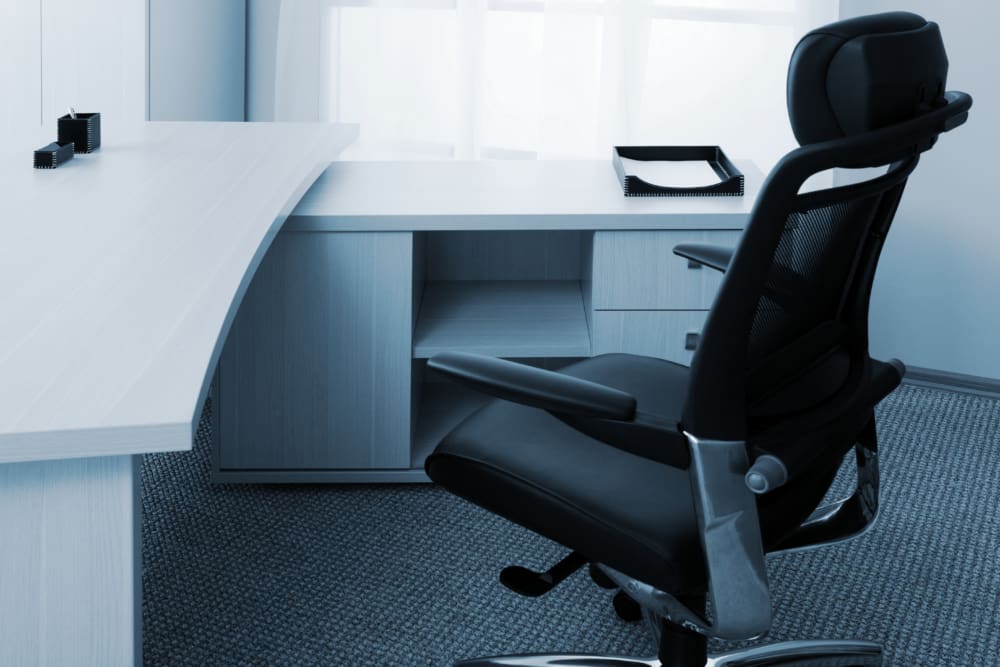
Ergonomic office furniture is designed to support the body in natural working positions. Instead of being fixed and rigid, it usually allows adjustments so each person can set things up to suit their height, posture and way of working.
Standard office furniture often comes in one shape and one size. That can look tidy on paper, yet it doesn’t always work well for real people who are all different shapes and sizes, with different posture requirements. Ergonomic furniture takes a different approach by focusing on flexibility and support rather than appearance alone.
At its core, ergonomic design recognises that people move, shift and change position throughout the day. Chairs adjust, desks change height, and screens move closer or further away. That adaptability is what separates ergonomic office furniture from traditional options and why it plays such a big role in workplace ergonomics overall.
Why Ergonomics Matters for Health and Productivity
Comfort at work is not just a nice extra. It has a very real effect on how people feel and how they perform across the day. Office ergonomics looks at how furniture, equipment and posture interact, which is where ergonomic choices begin to make sense.
Here are some of the practical benefits that tend to matter most in offices:
- Less strain on the back, neck and shoulders during long periods of desk work
- Improved comfort, which often helps people stay focused for longer
- Improved circulation and energy levels
- Reduced risk of ongoing aches turning into longer-term issues
- Lower levels of absence linked to musculoskeletal problems
For many organisations, these changes appear gradually rather than overnight. Still, the cumulative effect can be noticeable across a team.
Common Ergonomic Furniture Pieces for Offices
Most offices already use some form of ergonomic furniture, even if they do not label it that way. A few key items tend to make the biggest difference.
Ergonomic office chairs
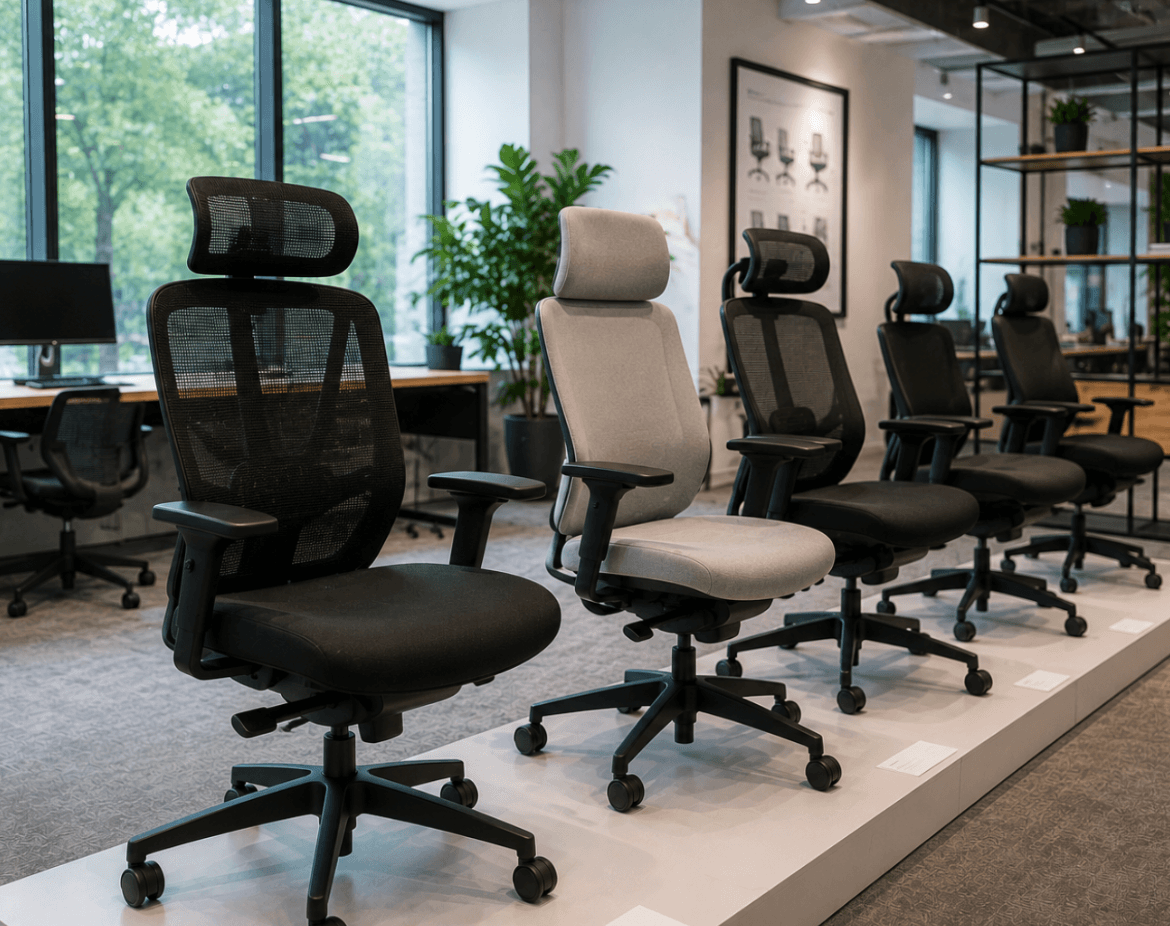
This is the starting point when improving comfort at work. A well-designed option supports the spine, allows seat height and back adjustments, and helps people sit in a more balanced position throughout the day. Many teams begin by reviewing their office chairs because poor seating tends to become uncomfortable quite quickly, especially during longer stretches of desk-based work.
Sit-stand desks
Height-adjustable desks allow people to switch between sitting and standing throughout the day. This helps reduce long periods in one position and supports a healthier ergonomic desk setup.
Monitor arms
Monitor arms let screens move to eye level, which can reduce neck strain and awkward head positions during computer work.
Footrests and accessories
Smaller items can play a surprisingly useful role. Footrests, document holders and similar ergonomic products help fine-tune a workstation for individual needs.
How Ergonomic Furniture Supports Different Working Styles
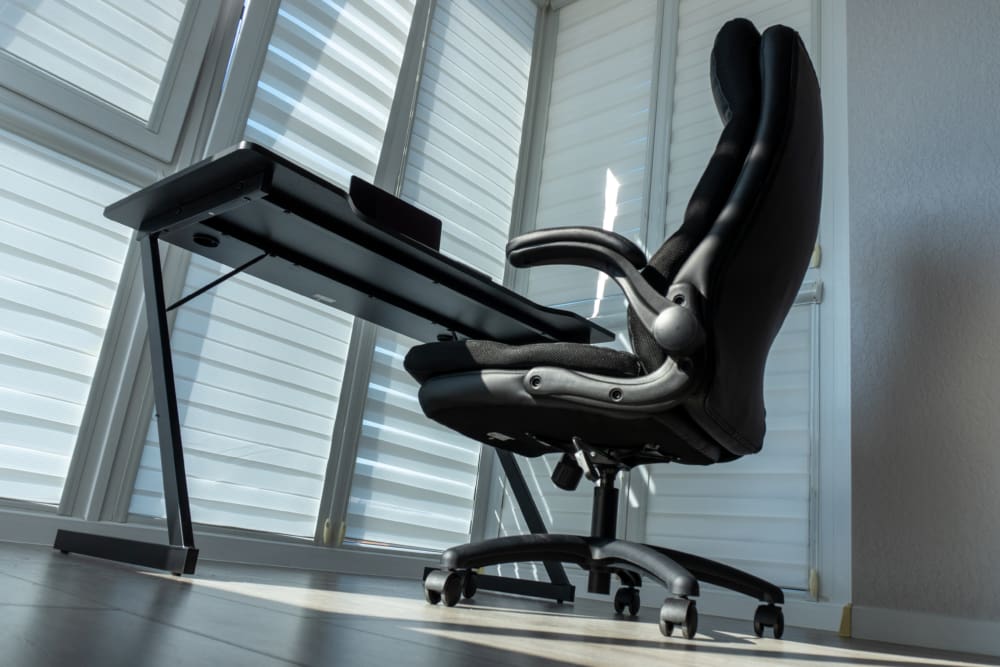
Not every office works in the same way, which is why flexibility matters so much.
For desk-based workers who spend most of the day at a workstation, ergonomic furniture supports comfort across long periods of focused work. Adjustable seating and screen positioning help reduce tension building up over time.
Hybrid and flexible workers benefit from furniture that adapts quickly. When someone works from the office only part of the week, it helps if their setup can be adjusted easily without complex changes.
Hot desking environments rely heavily on ergonomics. When multiple people share desks, adjustable furniture allows each user to make small changes quickly, which supports comfort without slowing anyone down.
When Ergonomic Furniture Pays for Itself
Ergonomic furniture often feels like a bigger expense at first, yet over time it tends to balance out in ways that are not always obvious straight away. When people are more comfortable, they are usually less distracted by aches and small frustrations that build up throughout the day. That can quietly reduce short-term absences linked to discomfort.
There is also the issue of staff turnover. People are more likely to stay in workplaces where they feel looked after, which can reduce the hidden costs of recruitment and onboarding. Finally, ergonomic furniture is often built to last longer, so replacement cycles tend to slow down. Taken together, these factors mean the cost spreads out, rather than hitting the budget again and again.
Tips for Choosing Ergonomic Furniture for Your Workspace
Choosing ergonomic furniture usually works best when you start with the people using it, rather than the furniture itself. Look at how individuals work across the day, how long they stay at their desks, and whether they share workstations. That context helps narrow down what really matters.
Adjustability should sit at the top of the list. Chairs, desks and screens that adapt to different heights and postures are far more useful than fixed options. It is also worth thinking about how easy adjustments are to make, especially in shared spaces.
Finally, getting advice can save time and avoid costly mistakes. Speaking to specialists in office ergonomics, like us here at Wave Office, helps ensure choices support comfort, wellbeing and everyday working habits.


Leave a comment