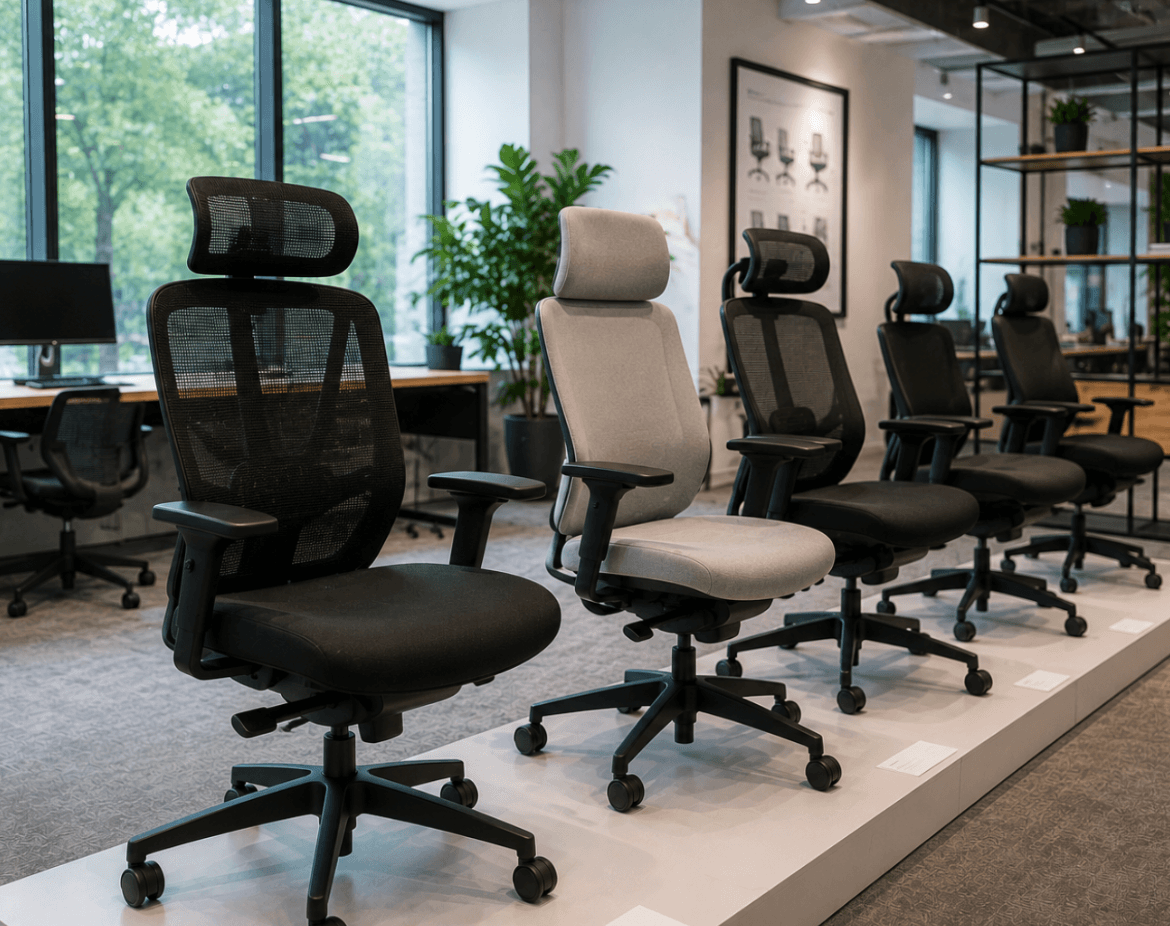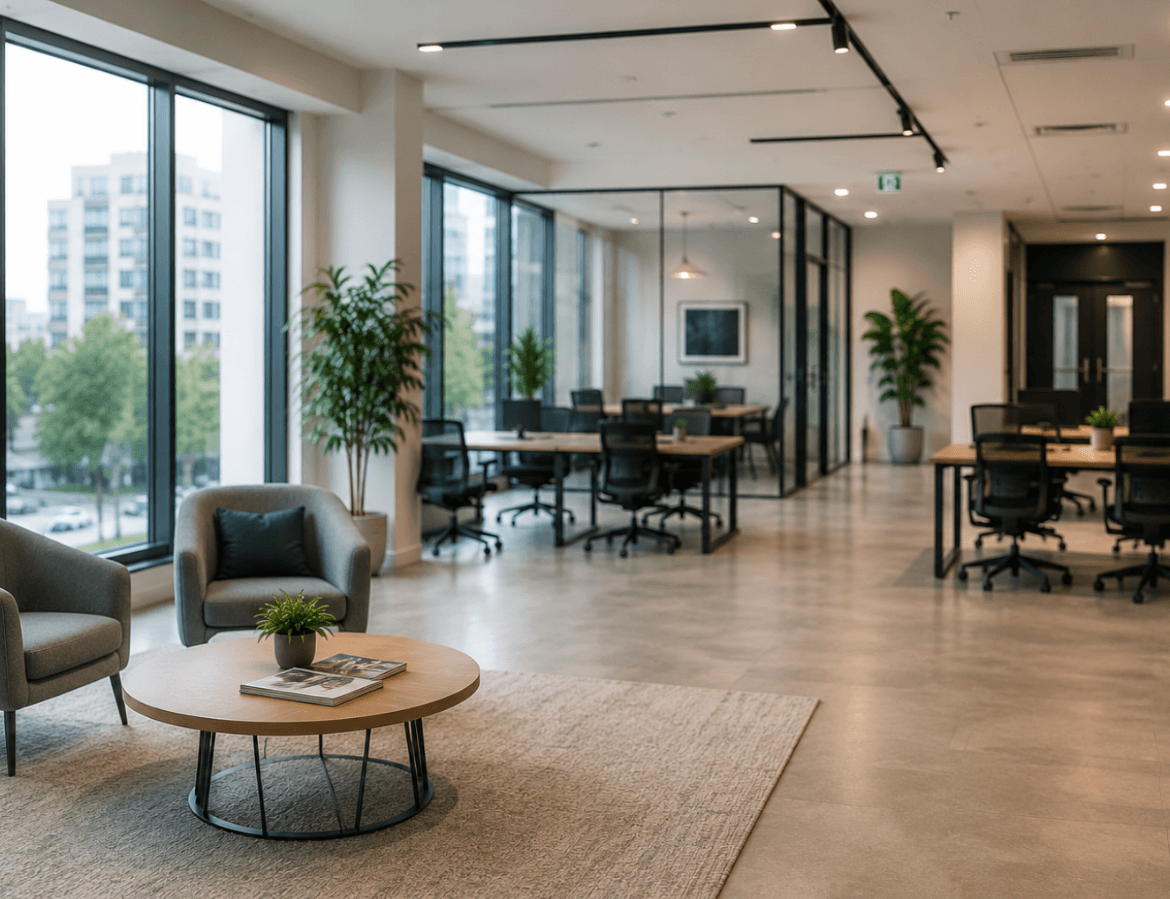
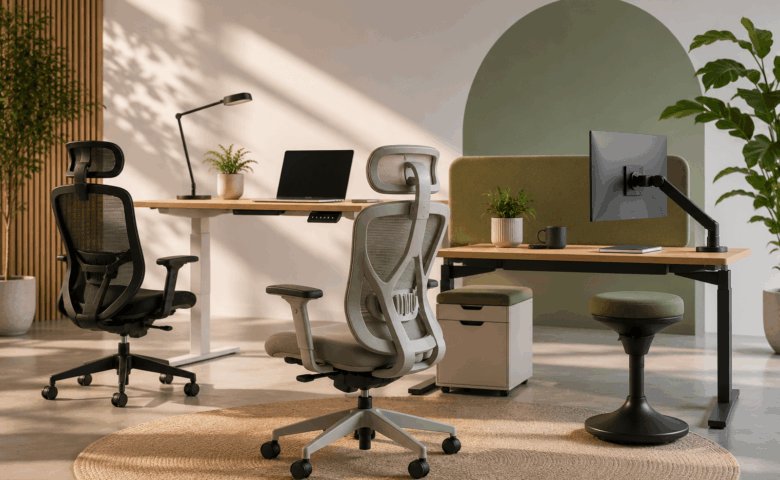
When considering ergonomic office furniture, such equipment is designed to support the body’s natural position during work, helping people sit, stand, and move with less strain throughout the day.
This can be various items, including chairs with adjustable support, desks that adapt to height, and monitor setups that align with eye level.
Workplaces have started to place more weight on how physical environments affect both performance and well-being. Long hours at poorly arranged workstations can lead to discomfort, reduced focus, and ongoing health concerns, which, over time, begin to affect business outcomes.
Investing in ergonomic solutions addresses these issues from both angles. It supports employee health while also helping organisations maintain productivity, reduce absence, and manage long-term costs more effectively. The benefits below outline why this approach continues to gain traction across modern offices.
Better Posture Throughout The Working Day
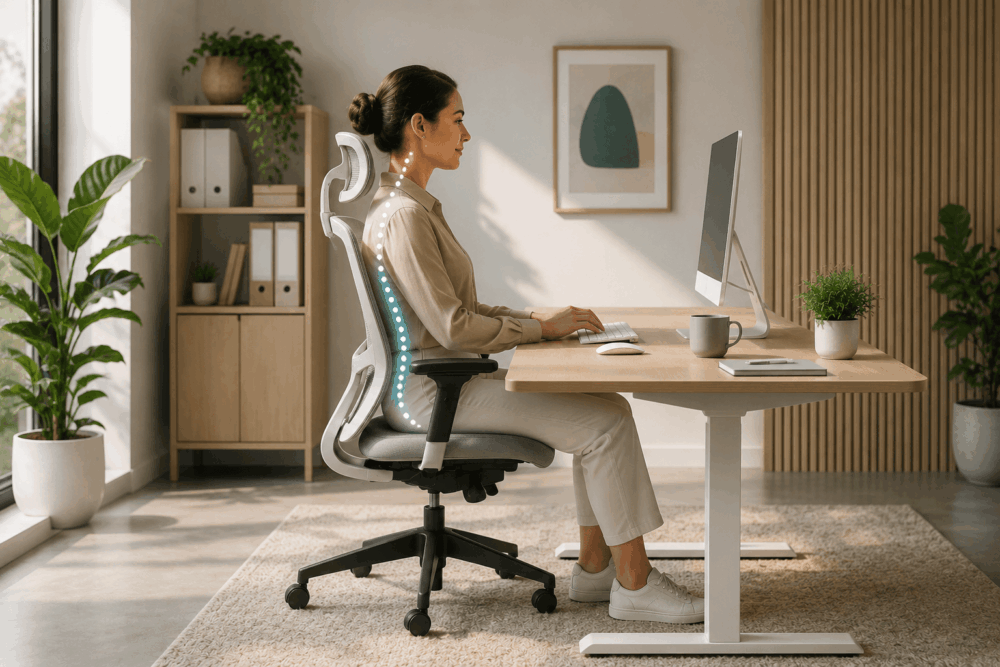
Ergonomic furniture is designed to guide the body into a more natural and supported position during seated or standing work. Chairs with adjustable seat height, backrest tension, and lumbar support help maintain the spine’s alignment, reducing the tendency to lean forward or slump.
Desks that allow height adjustment give employees the option to alternate between sitting and standing, which encourages movement and reduces prolonged pressure on the lower back. Monitor positioning also plays a role, with correct screen height helping prevent neck strain caused by looking down or craning forward.
Over time, these adjustments help correct poor habits that develop through static working positions. Maintaining better posture reduces stress on muscles and joints, which contributes to fewer long-term issues such as chronic back pain. For organisations, this leads to a workforce that remains physically capable of performing consistently without avoidable discomfort interfering with daily tasks.
Greater Comfort For Employees
Comfort has a direct impact on how employees experience their working day. Furniture that adapts to individual needs allows each person to find a position that suits their body, rather than forcing a fixed setup that may only work for a small proportion of users.
Features such as adjustable armrests, seat depth control, and responsive back support help distribute weight more evenly. This reduces pressure points and allows the body to remain supported without constant repositioning. Employees can stay focused on their work instead of adjusting their seating throughout the day.
Improved comfort also contributes to overall job satisfaction. When employees feel physically supported, there is less distraction caused by discomfort or fatigue. This contributes to a more stable working rhythm and a better perception of the workplace environment.
Over extended periods, reduced fatigue supports sustained energy levels, which play a role in maintaining consistent output across the working week.
Reduced Risk Of Strain And Workplace Injuries
Musculoskeletal issues remain one of the most common causes of workplace absence. Conditions such as lower back pain, neck stiffness, and repetitive strain injuries can develop gradually when workstations are not properly configured.
Ergonomic setups aim to reduce these risks by aligning equipment with the user’s body and movement patterns. This lowers the strain placed on muscles and joints during repetitive or prolonged tasks.
Common issues addressed include:
- Lower back pain from unsupported seating
- Neck strain caused by poor monitor positioning
- Wrist and forearm discomfort linked to incorrect desk height
- Repetitive strain injuries from limited movement
Reducing these risks has a clear impact on absence rates. Fewer injuries lead to fewer sick days and less disruption to business operations. It also supports compliance with workplace health and safety expectations, which is a key consideration for Facilities Managers and Occupational Health Advisors.
Addressing these concerns early reduces the likelihood of long-term conditions developing, which can otherwise lead to higher costs through ongoing treatment, adjustments, or employee absence.
Improved Productivity And Focus
Discomfort creates distraction. When employees are adjusting their position, stretching to relieve tension, or managing ongoing aches, their attention shifts away from the task at hand.
Ergonomic furniture reduces these interruptions by supporting the body in a stable and comfortable position. This allows employees to maintain focus for longer periods without the need for constant adjustment. A well-configured workspace supports smoother workflows, as tasks can be completed without physical disruption.
Better posture and reduced strain also contribute to clearer concentration. Employees are less likely to experience fatigue that affects decision-making or slows progress. This has a measurable impact on output, particularly in roles that require sustained attention or precision.
For organisations, the link between comfort and productivity provides a clear justification for investment. Even small improvements in daily performance can accumulate into noticeable gains over time, particularly across larger teams.
Stronger Support For Long-Term Employee Wellbeing
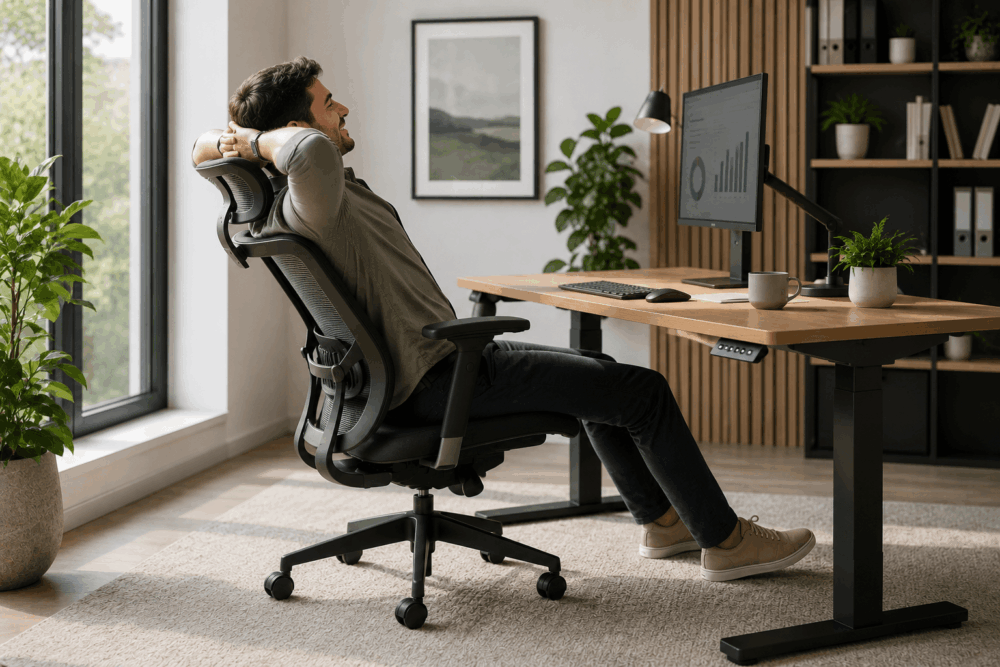
Providing ergonomic furniture demonstrates a clear commitment to employee well-being. It shows that the organisation recognises the impact of the working environment on health and is willing to address it in a practical way.
This approach supports retention by improving the overall employee experience. Staff are more likely to remain in roles where their comfort and health are considered, especially in environments where long hours at a desk are required.
It also contributes to the employer’s reputation. Businesses that invest in workplace wellbeing are viewed more positively by both current employees and potential hires. This can influence recruitment outcomes, particularly in competitive sectors.
Flexible and hybrid working models have increased the need for adaptable solutions. Ergonomic furniture supports these setups by allowing consistent working conditions across different locations, whether in the office or at home.
Maintaining this consistency helps protect long-term health, reducing the risk of issues developing due to varied or unsuitable work environments.
Why Ergonomic Furniture Is A Smart Business Investment
Initial costs can lead some organisations to question whether ergonomic furniture is necessary. However, the long-term value becomes clear when considering the wider impact on performance, absence, and employee retention.
Reduced injury rates lead to lower absence costs and less disruption to operations. Improved comfort and posture contribute to sustained productivity, which helps offset the upfront investment. Over time, these factors combine to create a more stable and efficient workforce.
From a procurement perspective, ergonomic solutions provide measurable benefits that support decision-making. They address both compliance requirements and operational performance, making them a practical addition to workplace planning.
Businesses looking to upgrade their workspace can explore a range of Wave Office options within our ergonomic office furniture offerings.For tailored advice or project support, teams can contact us to discuss specific requirements and workspace goals outside of the normal office set-up.