
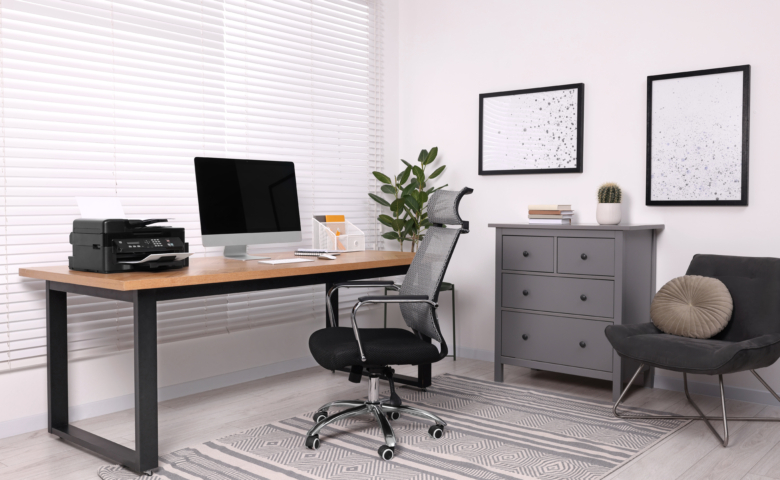
A small office can start off feeling fine, then a couple of new starters arrive, storage spreads out, meetings get squeezed in wherever there’s a spare corner, and suddenly the whole place feels a bit tight. As the space changes make sure you have enough air volume for numbers in the office.
That tends to show up in little ways, like people bumping chairs as they pass, noise travelling further than you would like, and desks becoming the default place for everything from filing to catch-ups.
Still, making the most from small office space usually comes down to two things: how the room is used day to day, and whether the layout and furniture actually support that.
With a bit of planning, some flexible choices, and a few practical swaps, you can often make the space feel calmer and work better, without jumping straight to relocating.
Start With a Plan and Measure Carefully
Before moving anything, it helps to take stock. In smaller rooms, even small measurements affect how the office feels, so it’s worth getting the basics down first.
A quick audit might include:
- Measuring wall lengths, door swing space, and window positions
- Noting fixed items like radiators, sockets, columns, and any awkward corners
- Checking walkways, so people can move without having to slide chairs out of the way
A rough floor plan helps too. It doesn’t need to be technical, just clear enough to show where desks, storage, and shared zones could sit.
This is also the point where it helps to think about priorities. Does the team need to work closely together, or do they need quiet for focused tasks? Are visitors coming in? Are calls happening all day? Is the office used for quick huddles? If you involve the team in that thinking, you usually get fewer complaints later, and the layout ends up matching real working habits rather than assumptions. Can hot desking reduce the number of spaces required.
Choose Multi-Functional Furniture
In a small office, furniture that only does one job can take up space you do not really have. Multi-functional pieces tend to make a difference because they combine tasks without adding bulk.
Some examples that work well:
- Desks with built-in drawers, so everyday items don’t spill into shared areas
- Shared tables that work as both “extra desk space” and a quick meeting spot
- Fold-away or collapsible pieces that can be stored when they’re not needed
This type of thinking also supports space-saving office furniture choices because you’re buying for flexibility, not just filling a gap.
Use Vertical Space and Storage Solutions
Office storage is usually one of the first things that makes a small office feel crowded. People put boxes “just there for now”, then filing grows, then supplies pile up, and the floor space disappears.
Using vertical space helps lift a lot of that pressure:
- Wall-mounted shelving for supplies and shared items
- Cupboards that go up rather than out
- Storage walls are made up of modules, so you can vary what’s open, what’s closed, and what is used for high-volume storage
For personal storage, mobile pedestals can also work well, especially if desks are kept compact. Bite pedestals are a useful option for agile setups, because they can move with the person rather than becoming another fixed block in the room.
The main idea is simple: keep frequently used items within easy reach, push occasional-use items higher up, and try not to let floor space become long-term storage.
Keep Layout Flexible for Different Uses
Small offices rarely do just one thing. You might need heads-down focus in the morning, a team catch-up at lunch, and a quick planning session in the afternoon. A layout that only works “one way” tends to feel restrictive quite quickly.
Experiment with desk layout ideas
These desk grouping patterns are especially useful for smaller rooms:
- Paired Islands: two desks face-to-face, which can support collaboration while staying space-aware, often handy in narrower rooms
- Blocked Seating: groups of four desks, which suits small teams working together without needing a big open-plan floor
- The Bullpen: desks arranged in an inner-facing square, rectangle, or circle so the whole team can collaborate more naturally
These options are often the difference between a small office feeling “packed” versus “organised”, even when the desk count stays the same.
Think about meetings without sacrificing desk space
If meetings keep happening around someone’s desk, it can help to create a simple shared meeting point:
- A wall-mounted presentation monitor, or a large whiteboard, placed where everyone can see without crowding one area.
- Collapsible meeting tables, so you can create a meeting space when needed, then store them away.
If you need quick privacy or a quieter discussion space, the older post also suggested flexible, moveable options:
- A mobile screen that can be repositioned and stored.
- A modular acoustic wall solution that can be restyled or packed away when the meeting is done.
And sometimes, it’s not even about furniture. If the office genuinely can’t handle meetings comfortably, it can help to change the routine:
- Use a local coffee shop for one-to-ones
- Try walking meetings in a nearby park
- If too many people are in on the same days, a rotating remote working schedule can free up space without reducing output
Opt for Compact Seating and Desks
Small offices punish oversized furniture. A desk that is slightly too deep, or a chair that does not tuck in properly, can turn a workable layout into a daily irritation.
Slimmer desks often make sense here, particularly where walkways get tight. Modular and mobile desks also fit this section well because they support layout changes without creating dead space.
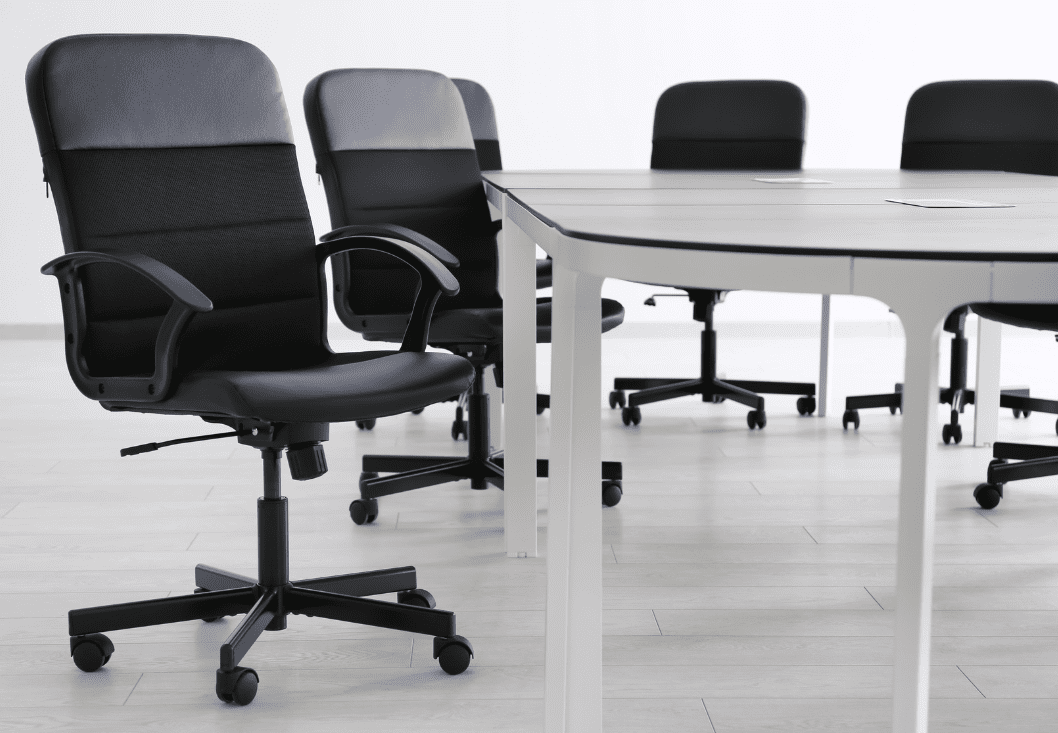
Chairs matter too, especially when people are seated for long periods. This is where supportive operator chairs can help, because they’re built for everyday use but don’t have to dominate the room.
The basic aim is to keep furniture proportions sensible, so movement stays easy, and the office feels usable even when everyone is in.
Maximise Light and Openness in the Space
Light changes how a small office feels, sometimes more than any layout tweak. Natural light tends to make rooms feel more open, so it helps to keep windows clear rather than stacking items nearby.
A few practical things that often help:
- Avoid tall storage directly in front of windows
- Use glass screens if you need separation but want to keep brightness travelling through the space
- Keep wall colours and larger surfaces light if the room feels boxed in
- Tidy cables and surfaces, because visual clutter makes the space feel smaller than it is
This is usually when your small office design starts to feel “finished”, because it’s less about fitting things in and more about making the room feel calmer to work in.
If you want help mapping this to your own space, or you’re weighing up furniture choices, you can contact us directly and discuss with our team the best solution for your office.
[yikes-mailchimp form=”1″ title=”1″ description=”1″ submit=”Sign Up”]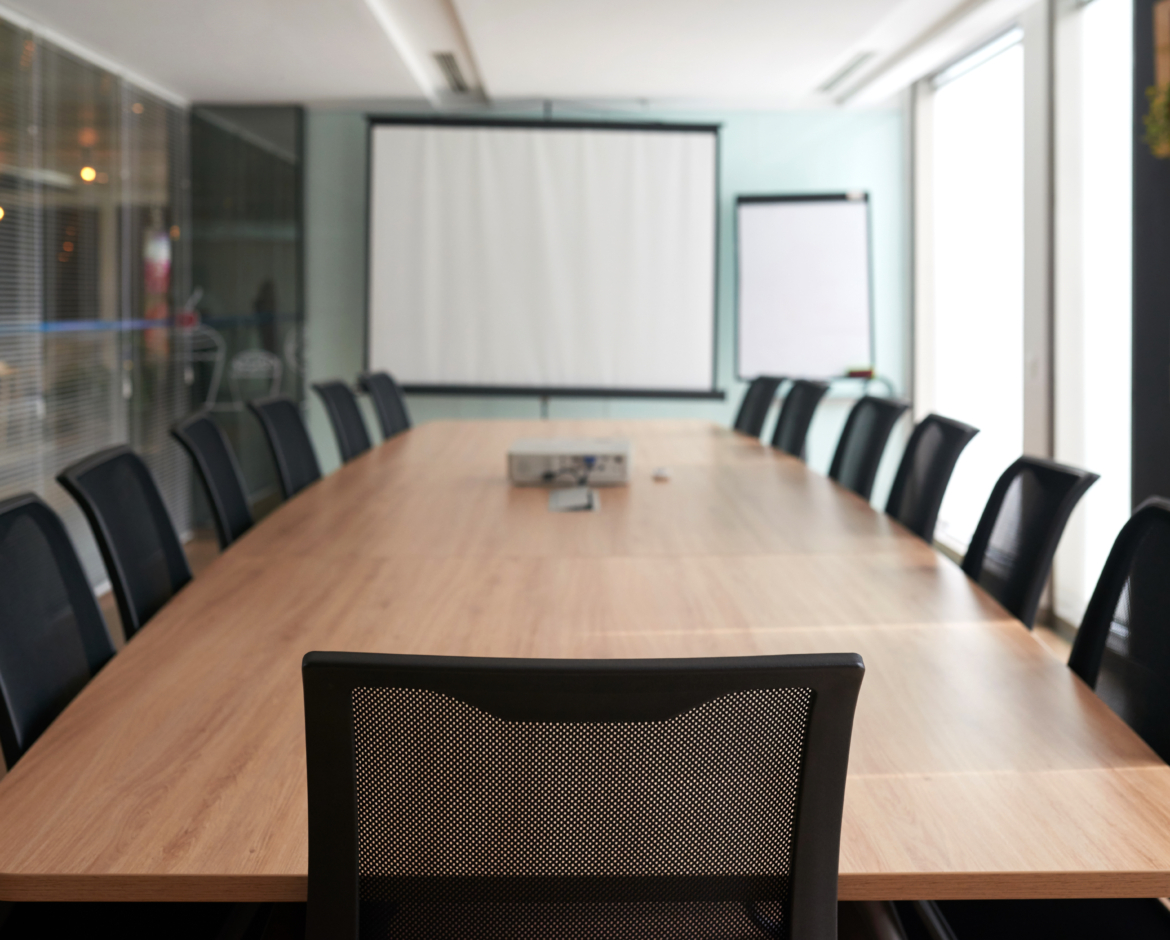
Leave a comment