
A desk may seem like a simple work surface, yet the type you choose affects storage, workspace layout and how clients perceive your office.
Size, storage and design influence workflow, organisation and how visitors view your business. For many companies, desk choice reflects hierarchy, culture and long-term planning.
If you are comparing executive desks with standard alternatives, you are likely balancing layout, budget and image. This guide offers a clear, practical comparison to help you decide which option suits your workspace.
What Is an Executive Desk?
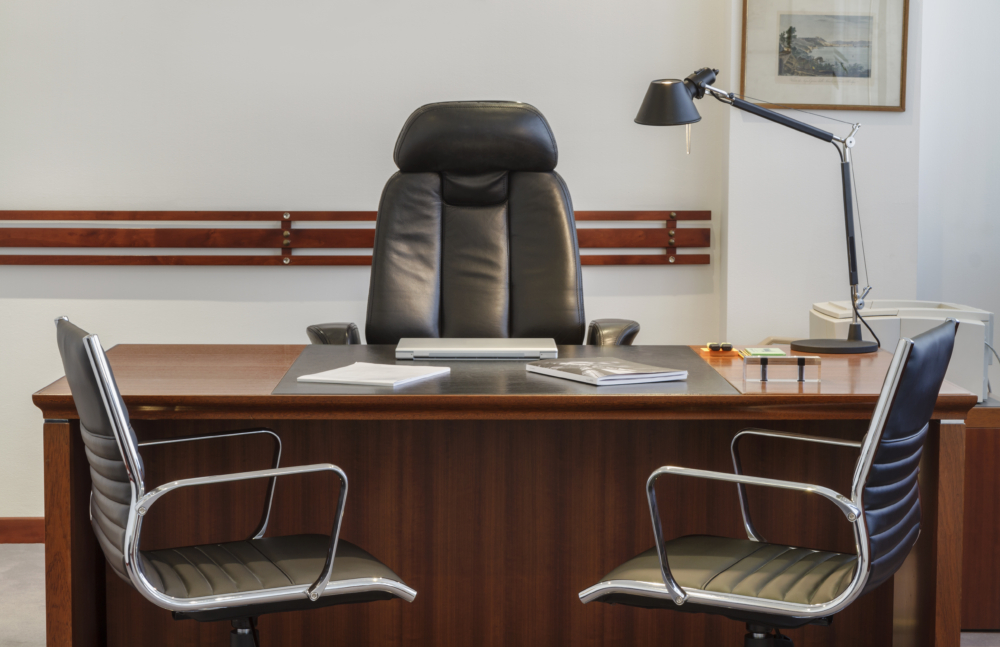
Executive desks are larger workstations typically used in private offices by senior leaders. They feature a wider surface area and often include integrated returns or built-in storage. You will commonly see executive office desks made from veneer, hardwood or high-quality laminate, chosen for a refined finish.
Lots of executive desks include return sections or L-shaped configurations, creating a larger working surface for meetings, documents and multiple screens.
Many include drawers, cupboards and modesty panels as part of the structure. Their scale and design create presence, which is why they are frequently positioned in director or partner offices.
What Is a Standard Desk?
A standard desk is a practical workstation designed for everyday use across teams. It usually has a compact rectangular shape, making it suitable for open-plan offices and tighter layouts. Standard office desks are commonly made from durable laminate or engineered wood to balance cost and longevity.
Storage is typically provided through separate pedestal drawers rather than built-in cupboards. The overall design supports flexibility, straightforward installation and easy scaling as teams grow.
Key Differences Between Executive Desks and Standard Desks
| Feature | Executive Desks | Standard Desks |
| Size | Larger footprint, often with returns or extended tops | Compact rectangular design |
| Storage | Integrated drawers and cupboards | Separate pedestal or mobile storage |
| Materials | Veneer, hardwood, glass, high-grade laminate | Laminate and engineered wood |
| Cost | Higher upfront cost due to size and materials | Lower initial outlay, suited to volume |
| Office Placement | Private offices | Open-plan and shared spaces |
| Visual Impact | Creates a stronger leadership presence | Functional and consistent |
| Typical User | Directors and senior leaders | General staff and operational teams |
This office desk comparison highlights how each option supports different operational needs and visual priorities.
Size and Presence in the Office
Executive desks command space, and in many rooms they become the central feature.
In many leadership offices, the desk also acts as a small meeting point where visitors sit opposite during short discussions.
Their extended surfaces and built-in storage units require more clearance around the perimeter, which affects circulation and meeting space within the office. Before committing, it helps to measure doorways, wall lengths and walkways with care.
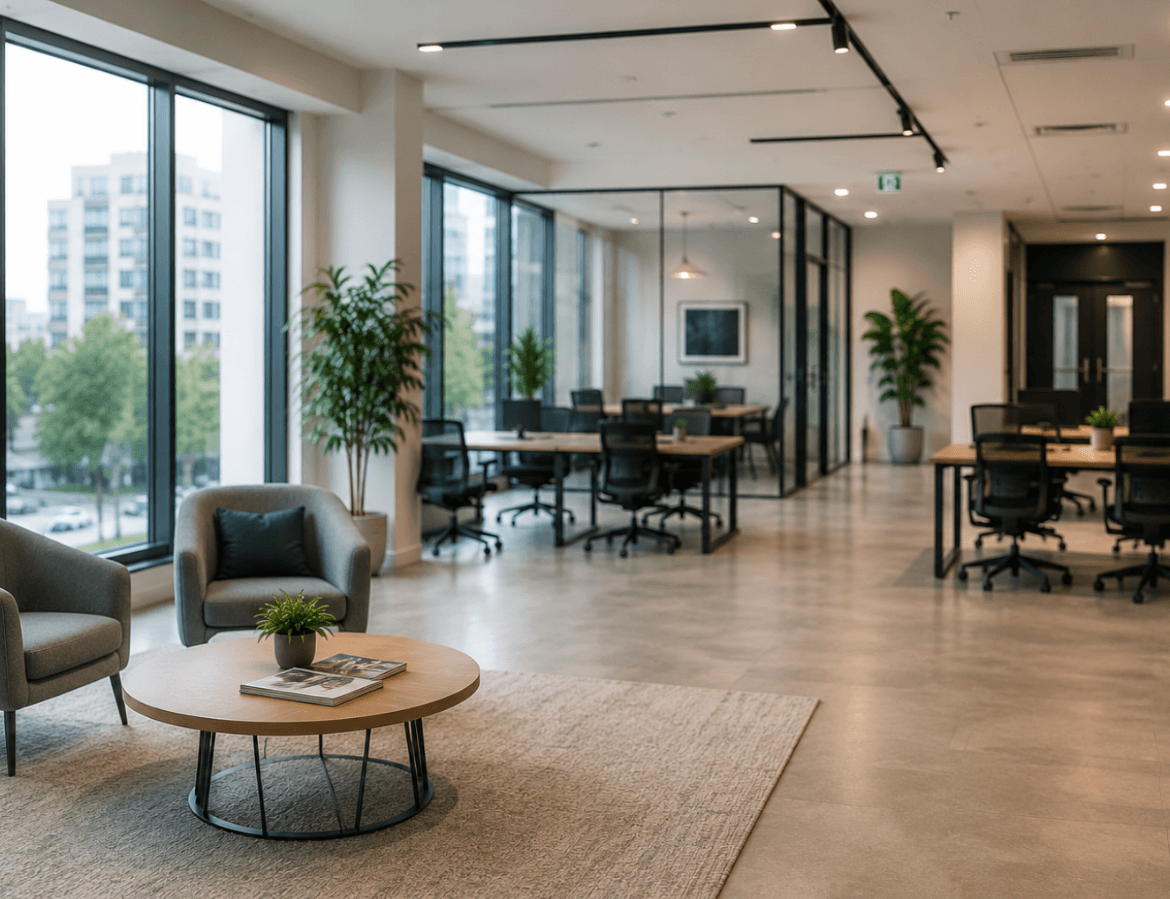
Standard desks, by contrast, suit collaborative layouts and denser workstation arrangements. In open-plan settings, rows or clusters of commercial office desks allow teams to sit together without overwhelming the floorplate. Linking desk dimensions to your wider office design strategy prevents awkward gaps or overcrowded zones later on.
Storage and Functionality

One of the clearest distinctions lies in storage. Many executive desks include built-in cable channels or grommets, helping keep devices organised and wires hidden from view. This design supports leaders who handle confidential paperwork or require a tidy, enclosed setup.
Standard desks rely more on add-on units such as pedestals, under-desk drawers or shared filing cabinets. While this may appear simpler, it allows modular adjustments as teams expand or reorganise. Considering daily workflow is key. If a role demands regular access to documents and multiple devices, built-in storage might suit. For task-based roles with lighter paperwork, flexible desk storage solutions can feel more adaptable.
Materials and Build Quality
Materials influence durability and perception. Executive models often use veneer finishes over engineered cores or solid wood elements to create a polished appearance. Some incorporate reinforced frames or thicker desktops, which can handle heavier equipment over time.
Standard desks typically use laminate surfaces bonded to engineered wood. While less ornate, modern laminates resist scratches and wear effectively in busy environments. Metal frame reinforcement is common across both categories, supporting stability and load capacity. Edge protection also matters. Reinforced or sealed edges help prevent chips and peeling in high-use environments.
When assessing build quality, review warranty terms and expected lifespan. In high-traffic offices, surfaces and edges experience steady use, so choosing materials that tolerate long-term wear matters more than surface appearance alone.
Who Typically Chooses Executive Desks?
In client-facing industries, desk choice can influence first impressions when visitors enter a leadership office.
Executive desks are commonly selected by managing directors, senior partners and board-level leaders. In sectors such as law and finance, leadership office furniture often reflects hierarchy and client-facing expectations. A larger desk can subtly signal decision-making authority during meetings.
On the other hand, start-ups and cost-conscious SMEs frequently opt for standard desks across all levels, including management. This approach promotes a flatter structure and consistent aesthetic. The decision often ties back to branding. Organisations seeking a premium impression may favour executive options in senior offices, while those emphasising collaboration and agility may prefer uniform layouts throughout.
Cost Considerations
Upfront costs differ noticeably. Higher-quality desks often remain in place for many years, which spreads the cost across a longer lifecycle.
Executive desks usually involve a higher initial investment due to size, materials and integrated storage. For a single director’s office, this may be proportionate to the role’s visibility and long-term use.
Standard desks offer economies of scale, particularly when purchasing in larger quantities. Bulk ordering reduces per-unit costs, which can help procurement teams manage refurbishment budgets across entire floors. Long-term value depends on durability and adaptability.
A well-built desk that lasts through several team restructures may provide stronger return on investment than a cheaper option requiring early replacement.
Which Option Fits Your Workspace?
Choosing between executive and standard options depends on several factors. Consider the size of your office and whether rooms can accommodate larger footprints without restricting movement. Smaller offices or growing teams often prioritise standard desks for flexibility, while established leadership suites may justify executive options.
Reflect on the company culture, whether hierarchy is emphasised or collaboration takes priority.
Budget constraints will shape decisions, especially during phased refurbishments. Future growth also plays a role. If headcount is likely to increase, scalable layouts using standard desks may offer flexibility. Reviewing your floorplan in detail before committing helps align furniture choices with long-term operational plans.
Frequently Asked Questions About Executive Desks
Are executive desks only for directors?
No. While they are often used by senior leaders, some businesses place premium office desks in client-facing offices where image is central.
Do executive desks require more space?
Yes. Their larger footprint and integrated storage typically demand additional clearance compared with standard office desks.
Are executive desks worth the investment?
Executive desks can offer value when used for many years in leadership offices where presence, storage and durability matter.
Can executive desks work in open-plan offices?
They can, though careful space planning is needed to avoid disrupting collaborative layouts.
What materials last the longest?
High-quality laminates, reinforced engineered wood and well-finished veneers all perform well when properly maintained.If you are still weighing up which style fits your environment, it may help to speak through your layout and objectives in more detail. You can always contact us to explore options that suit your space, budget and future plans.