Classroom chairs rarely sit high on a purchasing list, yet they affect how pupils sit, concentrate and behave throughout the school day.
Poor seating can distract, affect posture and gradually impact behaviour. Comfort connects closely with concentration, particularly during longer lessons.
Schools and colleges also face ongoing budget pressure, where every purchase must justify its value. Facilities buyers often balance compliance, durability and tight installation windows. This guide simplifies the decision process, helping you compare options clearly and select seating that supports both students and long-term planning.
Choosing the Right Classroom Chairs for Your Learning Space

Before reviewing styles or materials, it helps to assess the room itself. You’ll want to measure floor space, check desk heights and think about how students move around during a typical day. Layout shapes seating needs more than many expect.
Teaching style also influences selection. A traditional front-facing classroom may suit standard four-leg designs, while collaborative spaces often call for lighter, easy-to-move models. In rooms where pupils shift between activities, flexibility matters.
Age group and average height deserve attention early on. Younger children require proportionate support, while older students may need stronger frames. Storage constraints, particularly in smaller schools, affect stacking requirements. Cleaning routines should also guide choices, especially in busy environments where wipe-down surfaces save time each week.
Types of Classroom Chairs Available
Several common designs appear across classroom furniture for schools, each suited to different activities.
Four-leg classroom chairs remain widely used for standard teaching spaces because they offer dependable stability and simple maintenance. Sled base chairs move more smoothly, which can help in collaborative layouts.
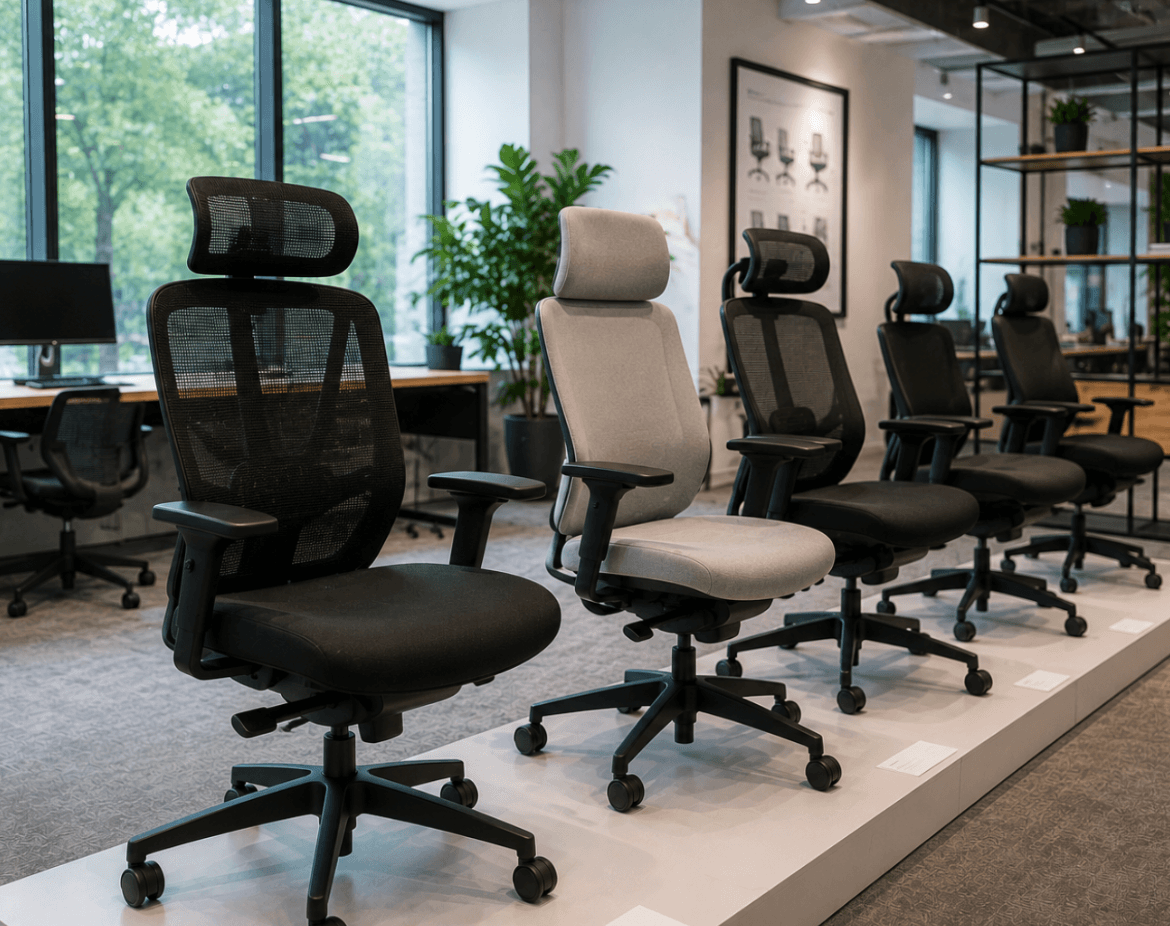
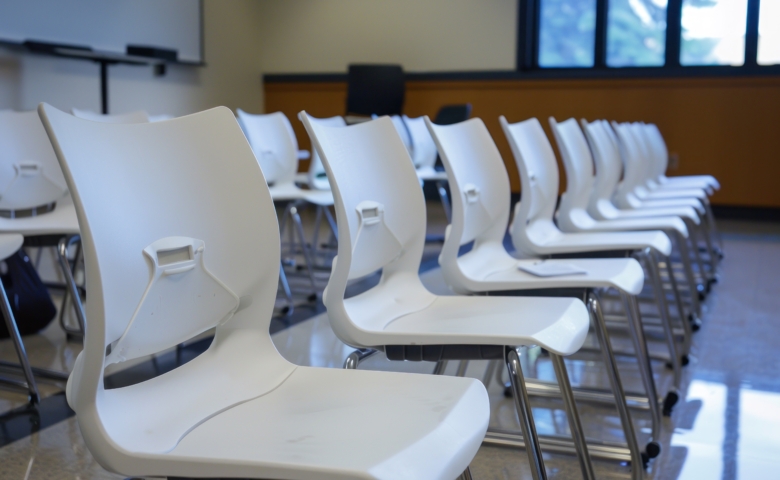
Polypropylene shell chairs are lightweight, wipe-clean and practical for busy environments. Upholstered classroom chairs tend to suit sixth form areas or college classroom seating where sessions run longer.
Stools work well in science labs or art rooms where movement around benches is needed. Soft seating, including bean bags in reading corners, supports more flexible classroom seating in informal learning areas.
How Classroom Chairs Support Posture and Comfort
Well-designed classroom chairs contribute to healthy posture during long teaching sessions. Growing children and young adults spend hours seated each day, and poor support can lead to discomfort or fidgeting.
BS EN 1729 standard highlights how correctly sized classroom seating supports posture and reduces strain during extended learning sessions.
Seat height should align with desk level, allowing feet to rest flat on the floor. When knees sit at a natural angle, pressure reduces on the lower back. Backrests with gentle lumbar shaping encourage an upright position without forcing rigidity.
Movement-friendly designs, such as slightly flexible backs, can support concentration by allowing small shifts in posture. Ergonomic classroom chairs aim to reduce strain during extended lessons, helping students remain focused without constant adjustment or distraction.
When students sit comfortably, they are less likely to shift constantly or lose focus during longer lessons.
Durability and Materials to Look For
Material choice directly affects lifespan and overall cost. Polypropylene seats resist scratches and wipe clean quickly, which suits high-use classrooms. Wooden chairs may offer a traditional appearance, though they can show wear over time. Metal frames add strength and stability, especially in secondary schools and colleges.
Look for reinforced legs and anti-tilt features that limit rocking. Stain-resistant finishes support hygiene routines, particularly in shared spaces. Durable classroom chairs often come with warranties reflecting confidence in construction quality. More durable materials often reduce replacement frequency, which can lower lifecycle costs across several academic years.
It also matters that products meet UK safety standards for educational environments, including relevant guidance linked to BS EN 1729 sizing and stability principles.
Classroom Chairs for Different Age Groups

Age and height alignment remain central to comfort and behaviour.
Early years settings require lower seat heights and rounded forms suited to smaller frames. Primary school pupils benefit from proportionate support as they grow rapidly across year groups. Many schools mix two or three chair heights within a classroom to accommodate growth across year groups.
Secondary school environments often need stronger frames with slightly larger seat dimensions. In further education and colleges, seating may resemble adult workplace models, though flexibility still helps.
When chair height mismatches desk level, posture suffers and concentration may dip. Adjustable or varied-height options allow schools to accommodate mixed-age groups without constant replacement, supporting educational seating solutions that adapt as cohorts change.
Flexible and Stackable Seating Options
Stackable classroom chairs provide practical space-saving benefits, particularly in halls used for assemblies or exams. When stored vertically, they free valuable floor area between activities.
Lightweight designs support quick reconfiguration, helping staff switch from rows to group clusters with minimal effort. Storage trolleys simplify movement during holiday resets or refurbishments.
Flexible classroom seating has grown in popularity as schools adopt more adaptable teaching approaches. Seating that moves easily supports this shift without requiring a full furniture overhaul.
Matching Chairs with Classroom Layouts
Layout shapes how seating performs day to day. Traditional row arrangements favour stable, uniform models aligned neatly with desks. Group-based pods benefit from chairs that shift smoothly and allow closer interaction.
Exam setups often require quick transitions, making stackability useful. Hybrid classrooms, blending digital and face-to-face learning, may need more adaptable arrangements. In multi-purpose classrooms, stackable classroom chairs allow rooms to switch quickly between lessons, exams and assemblies.
Colour choice can support branding or house systems, tying into wider refurbishment projects. Aligning seating with broader design plans helps maintain a consistent environment across departments.
Safety Considerations When Buying Classroom Chairs
Safety should sit at the centre of any purchasing decision. Stable, anti-tip designs reduce the likelihood of accidents during busy lessons. Rounded edges limit minor injuries, particularly in early years and primary settings.
Fire safety compliance remains essential, especially in upholstered models. Load testing and clear weight ratings offer reassurance in secondary schools and colleges.
Non-marking feet protect flooring, reducing maintenance costs. Working with a reliable supplier who offers aftercare support helps address issues quickly, limiting disruption during term time.
Budget Planning and Long-Term Value
Upfront price rarely reflects true value. Lifecycle cost, including durability and maintenance, provides a clearer picture over several years. Higher quality models may reduce replacement frequency, lowering disruption in the long run.
Bulk purchasing can unlock efficiencies for larger trusts or phased refurbishments. Warranties add reassurance, particularly when installation aligns with tight school holiday windows. Many schools plan furniture upgrades around summer holidays to minimise disruption during term time.
Investing in durable classroom chairs often supports smoother operations, fewer emergency replacements and more predictable budgeting across academic cycles.
Frequently Asked Questions About Classroom Chairs
- How long should classroom chairs last?
With proper use and care, quality models can last several years, though their lifespan depends on daily wear and student age. - What height classroom chair do I need?
Seat height should match desk level and allow feet to rest flat. Age group guidance and supplier advice help determine the correct size. - Are stackable classroom chairs durable?
Many stackable designs use reinforced frames and remain suitable for everyday use in busy schools. - Are upholstered classroom chairs suitable for schools?
They can suit sixth form areas or colleges, provided fabrics meet fire safety standards and cleaning needs.
How do I request a quote?
If you’re planning a classroom refresh or furniture upgrade, you can contact us to discuss layouts, timelines and suitable chair options.