
Meeting rooms are where decisions move from discussion to action. Contracts are agreed, strategies are challenged, people are hired and partnerships often begin within those four walls. In many organisations, the most commercially sensitive conversations take place around a single central surface. When visitors enter a meeting room, their attention naturally settles on the table before anything else.
Within minutes, impressions begin to form. The size, condition and design of the meeting table can subtly communicate authority, creativity, stability or openness. A substantial rectangular boardroom table may suggest structure and control. A lighter round format may indicate collaboration and shared leadership. Even the finish and integration of technology contribute to the message being absorbed.
Furniture might appear secondary compared with people or presentation materials, yet the environment quietly shapes how conversations unfold. A well-considered meeting space can reinforce confidence, while a poorly specified one may create subtle friction before discussions even begin.
Selecting meeting tables therefore becomes more than a routine purchasing decision. The table influences communication dynamics, visitor perception and the overall sense of professionalism within the room. This guide explores how meeting tables shape brand identity, workplace culture and interaction, helping organisations approach selection with greater strategic clarity.
Why Meeting Tables Matter in Professional Spaces
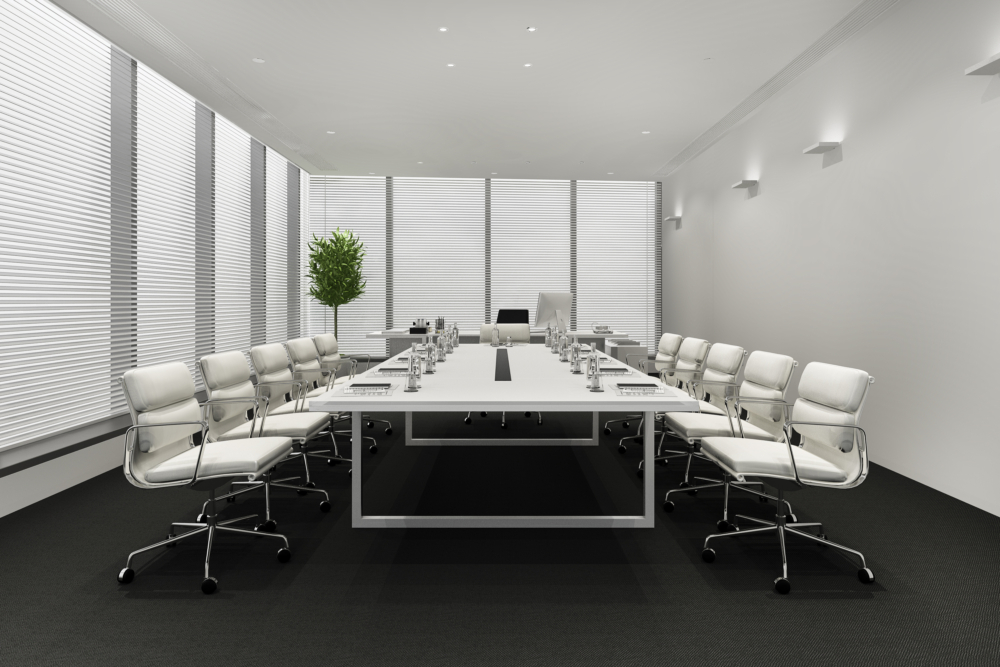
Meeting tables sit at the centre of how organisations collaborate, plan and make decisions. Strategic discussions, financial reviews, interviews and client negotiations all unfold around this shared surface. In many workplaces, the meeting room acts as a focal point where direction becomes commitment and ideas translate into action.
The design and scale of the table influence how comfortably people interact. When spacing feels balanced and sightlines remain clear, discussion tends to flow naturally. Participants can maintain eye contact, share materials and engage without physical barriers interrupting the conversation. Poorly proportioned tables can disrupt that rhythm and create subtle obstacles to participation.
Meeting tables also influence how visitors experience the organisation. A well-specified table positioned within cohesive office meeting room furniture signals preparation and attention to detail. The environment suggests that the organisation values professionalism and understands the role of workspace design in supporting performance.
There is also a behavioural dimension. People respond to cues within their surroundings. A balanced and structured environment often encourages focus and clarity during discussions. When the room feels thoughtfully arranged, participants tend to approach conversations with greater confidence and engagement.
For organisations balancing practicality with brand identity, meeting tables represent a strategic design element rather than a purely functional purchase.
First Impressions Created by Meeting Tables
When a client enters a meeting room, the table often becomes the visual anchor of the space. Its scale, finish and placement immediately influence perception. A well-proportioned conference table can communicate confidence and readiness. By contrast, a surface that appears undersized, worn or poorly positioned may create quiet doubt about attention to detail.
Proportion plays a particularly important role. Oversized conference tables placed within compact rooms can feel restrictive and imposing. Participants may sense imbalance before the meeting even begins. Conversely, a table that appears too small for the space can suggest limited capacity or short-term thinking.
Design language also shapes perception. Clean lines and restrained detailing often convey clarity and organisation. Traditional finishes may reflect heritage and stability. The key is ensuring that the design reinforces brand positioning rather than contradicting it.
Condition is equally revealing. Scratches, fading finishes or outdated cable ports may suggest that maintenance has slipped down the priority list. Visitors rarely comment on these details directly, yet they contribute to the overall impression being formed.
In competitive environments, subtle environmental cues influence confidence. A well-specified meeting table supports credibility by reinforcing the message that the organisation values quality, preparation and professionalism.
How Meeting Tables Reflect Company Culture
The configuration of meeting tables often mirrors how decisions are made within an organisation. Formal boardroom tables with clearly defined head positions typically reinforce hierarchy. Leadership occupies one end, while reporting lines become visually structured around the perimeter.
Round tables create a noticeably different dynamic. Without a designated head position, conversation tends to feel more balanced. Participants often contribute more freely, which can encourage collaborative problem solving and shared ownership of decisions.
Minimalist table designs frequently appear in technology-driven environments or growing companies where agility and flexibility are emphasised. Clean surfaces and understated finishes align with flatter organisational structures and faster decision-making processes.
Traditional wood finishes often reflect heritage brands or professional services environments where continuity and stability remain important. These designs can communicate experience, credibility and institutional memory.
Modular or reconfigurable meeting tables signal adaptability. They support workshops, training sessions and evolving team structures without locking the organisation into a rigid layout. For businesses anticipating growth or change, flexibility becomes part of the cultural message conveyed through the workspace.
Culture ultimately reveals itself through everyday interactions. The meeting table becomes the stage on which those interactions unfold, quietly reinforcing how people collaborate, contribute and make decisions.
Choosing Styles That Match Your Brand Identity
Brand identity extends beyond logos and colour palettes. It also includes how workspaces feel, function and guide interaction. Meeting tables should align with the design language established across reception areas, executive offices and collaborative spaces.
Finishes can subtly reflect brand colours without appearing overly literal. A restrained accent within leg detailing or edging may reference corporate tones while maintaining a professional appearance. Neutral surfaces often allow presentation materials and digital displays to remain the focal point during meetings.
Consistency across reception, meeting rooms and executive spaces helps create a coherent visitor experience. If reception areas present a contemporary aesthetic while meeting rooms feel dated or mismatched, the environment may appear fragmented.
Style choices also signal positioning. Industrial materials and exposed structures may suit creative studios or design-led organisations. Polished corporate styles often align with legal, financial or consultancy environments where professionalism and stability remain central to brand identity.
Modern meeting tables incorporating integrated technology and clean architectural lines can reinforce a forward-thinking brand position. By contrast, ornate detailing may signal tradition and continuity.
Selecting a meeting table therefore benefits from strategic planning. When furniture choices align with brand narrative, the workspace communicates intention rather than appearing assembled through isolated purchases.
The Role of Size and Shape in Communication

The shape of a meeting table influences how discussion unfolds within the room. Rectangular formats typically reinforce structure and direction. Participants sit along defined sides, and leadership often occupies the head position. This arrangement supports formal presentations and clear reporting structures.
Round tables create a more balanced conversational dynamic. Without a defined head, hierarchy becomes less visible and participation often feels more equal. This format can work well for collaborative discussions, workshops or creative sessions.
Boat-shaped conference tables provide a hybrid approach. Their tapered centre improves sightlines across larger groups, allowing participants to maintain visual connection more easily while preserving the structured layout associated with rectangular designs.
Key considerations include:
- Rectangular shapes reinforcing clarity, authority and direction
- Round formats encouraging shared discussion and balanced participation
- Boat shapes improving visibility while maintaining structured seating
Capacity planning also plays a critical role. Each participant requires sufficient space to sit comfortably, access materials and use technology without crowding neighbouring seats. Clearance around the table supports circulation and accessibility, particularly in rooms used frequently for client meetings.
Selecting the correct size requires balancing current meeting patterns with future growth. Tables that feel either oversized or undersized can disrupt the natural flow of discussion. Shape and scale should therefore support the intended communication style rather than being chosen purely for visual appeal.
Materials and Finishes That Send a Message
Material choice communicates subtle signals about brand identity and organisational priorities.
Solid wood often conveys permanence and prestige. It suits executive boardroom furniture where the intention is to project longevity, experience and stability. The natural variation within timber can also introduce warmth into formal meeting environments.
Veneer provides a similar executive appearance with improved cost efficiency. It allows organisations to maintain visual consistency across multiple rooms while managing refurbishment budgets carefully. For many commercial meeting tables, veneer strikes a practical balance between aesthetics and financial planning.
Laminate surfaces prioritise durability. In high-traffic meeting rooms or training environments, resistance to scratches, stains and cleaning chemicals becomes important. While laminate may lack the depth of natural wood, it performs reliably in spaces used throughout the day.
Glass surfaces contribute a contemporary visual language. They can create a sense of openness and light within modern meeting room design. However, maintenance requirements such as cleaning and fingerprint visibility should be considered before specification.
Sustainability is increasingly shaping material decisions. Responsibly sourced timber, recyclable components and low-emission finishes reflect broader environmental commitments. These factors may also support internal procurement frameworks and corporate responsibility policies.
Evaluating materials in terms of appearance, maintenance and lifecycle cost helps ensure that meeting tables continue to represent the organisation positively over many years.
Technology Integration and Modern Expectations
Modern meeting rooms must support digital collaboration as seamlessly as they support face-to-face conversation. Meeting tables now function as technology platforms as much as physical work surfaces.
Built-in power modules allow participants to charge laptops and devices without trailing cables across the floor. Integrated cable management systems maintain order and prevent visual clutter that might distract attention during presentations.
Audio-visual compatibility has become equally important. Screens, microphones and video conferencing systems need to align with the table’s layout so that participants both in the room and joining remotely can engage effectively.
Camera placement, microphone positioning and screen visibility increasingly influence how meeting tables are configured. Poorly positioned furniture can restrict camera angles or make remote participants feel disconnected from the discussion.
Discreet technology solutions often support organisations seeking a clean, minimalist aesthetic. Hidden cable trays and pop-up power modules preserve visual simplicity while maintaining connectivity. In more technology-led environments, visible connectivity may reinforce the perception of capability and readiness.
Hybrid working has raised expectations across industries. Clients and colleagues may join meetings from different locations, and seamless participation is now assumed. Meeting tables designed without considering this requirement may quickly appear outdated.
Thoughtful integration of technology therefore plays a central role in future-proofing meeting spaces.
Adapting Meeting Tables for Different Types of Visitors
Not every meeting serves the same purpose, and the meeting table should support those differences.
Client-facing boardrooms often benefit from a more formal presence. A substantial table with high-quality finishes can reinforce credibility during negotiations or presentations. In these settings, proportion and layout help create a structured environment where discussions feel organised and purposeful.
Internal meetings frequently demand greater flexibility. Brainstorming sessions, team updates and project planning discussions benefit from layouts that encourage visibility and participation. Modular commercial meeting tables can adapt to different configurations, supporting evolving collaboration styles.
Interview settings require careful balance. A table that feels overly imposing may create unnecessary pressure for candidates. More proportionate formats can encourage open conversation while maintaining professionalism.
Training environments introduce additional practical considerations. Tables may need to separate into smaller groups or combine into larger arrangements. Durability also becomes important due to frequent movement and varied use.
Multi-purpose meeting rooms, particularly in smaller organisations, must support several functions across the week. Selecting meeting tables that adapt without compromising visual consistency helps maintain brand alignment across different types of interaction.
When It’s Time to Upgrade Your Meeting Tables
Even well-built meeting tables eventually reach a point where replacement becomes necessary. Visible wear is often the first signal. Scratched surfaces, fading finishes or unstable legs can weaken the impression created by an otherwise professional workspace.
Brand evolution may also prompt an upgrade. When organisations modernise their identity, refresh reception areas or reposition their market presence, outdated meeting room furniture can create inconsistency across the office environment.
Technology limitations provide another trigger. Older tables may lack integrated power modules, cable routing or compatibility with modern conferencing equipment. Retrofitting these features can prove difficult and may compromise aesthetics.
Business growth often exposes capacity issues. A table originally selected for small teams may no longer support larger discussions comfortably. Overcrowded meeting layouts can reduce productivity and create unnecessary friction during conversations.
Office relocation presents an ideal moment to reassess furniture standards. Moving into a new workspace while retaining outdated meeting tables may dilute the opportunity to establish a stronger brand presence.
Strategic upgrades ensure that meeting rooms continue to reflect professionalism, support communication and reinforce organisational identity.
Frequently Asked Questions About Meeting Tables
What size meeting table do I need?
Table size should reflect room dimensions and typical meeting attendance. Allow comfortable spacing between chairs and ensure there is sufficient clearance around the perimeter for movement.
Are round tables better for collaboration?
Round tables often encourage more balanced participation because they remove a defined head position. Rectangular tables may be better suited to formal presentations or structured discussions.
How long should a meeting table last?
Quality meeting tables can remain in service for many years when properly maintained. Lifespan depends on material durability, frequency of use and the overall environment.
What material is best for heavy daily use?
Laminate surfaces typically perform well in high-use environments due to their resistance to scratches and stains. Veneer can provide a more executive appearance while still offering durability.
Can meeting tables include built-in power?
Yes. Many modern meeting tables incorporate integrated power modules, USB ports and cable management systems to support laptops and conferencing equipment.
How do I choose the right supplier?
Look for suppliers with experience in office meeting room furniture who understand workspace design, installation planning and long-term maintenance. If you are considering an upgrade or refurbishment, you can contact us to discuss your requirements in more detail.