When businesses look at improving workplace performance, furniture is not always the first thing they consider. Attention often goes to processes, staffing or technology. Yet many everyday frustrations in the office begin with the workspace itself.
Poor layout planning, unsuitable desks, inadequate storage and uncomfortable seating can all create unnecessary friction throughout the working day. This does not mean office furniture directly determines productivity, but it does influence how easily people can work, collaborate and stay organised.
The most expensive furniture is not always the best choice, and replacing old desks or chairs without proper planning can create new problems rather than solving existing ones.
Avoiding a few common office furniture mistakes can help businesses create workspaces that feel more practical, adaptable and easier to use.
Why Office Furniture Choices Affect Workspace Performance

Office furniture influences how easily employees can work, collaborate and stay organised, making thoughtful planning just as important as product selection.
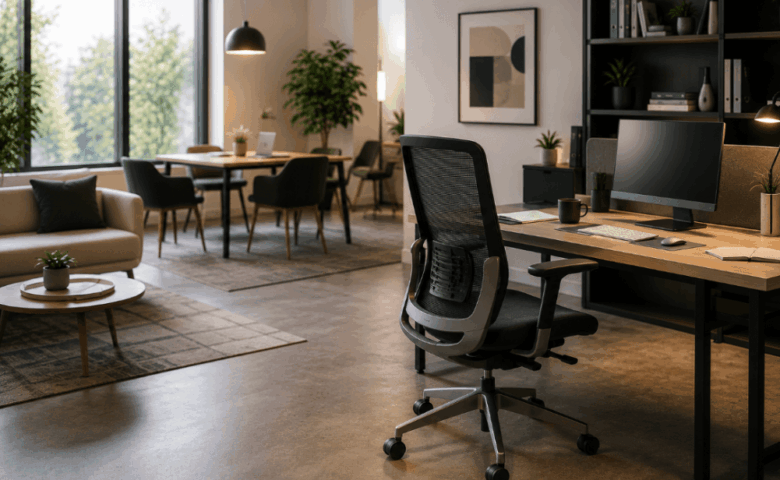
Good office furniture should support daily activities rather than simply fill space. A desk is not just a desk if it affects screen positioning, cable management or collaboration. Storage is not just storage if poor placement creates clutter or wasted floor space.
The biggest mistake many businesses make is treating furniture as a purchasing exercise rather than a workspace planning exercise.
Consider a growing business that expands from 15 to 30 employees. A layout that worked comfortably at smaller headcount may become restrictive once desk numbers increase, meeting demand rises and shared storage becomes stretched.
This is why planning matters before purchasing. The right furniture supports workflow, movement and future growth.
Mistake 1: Choosing Office Chairs Without Proper Adjustment
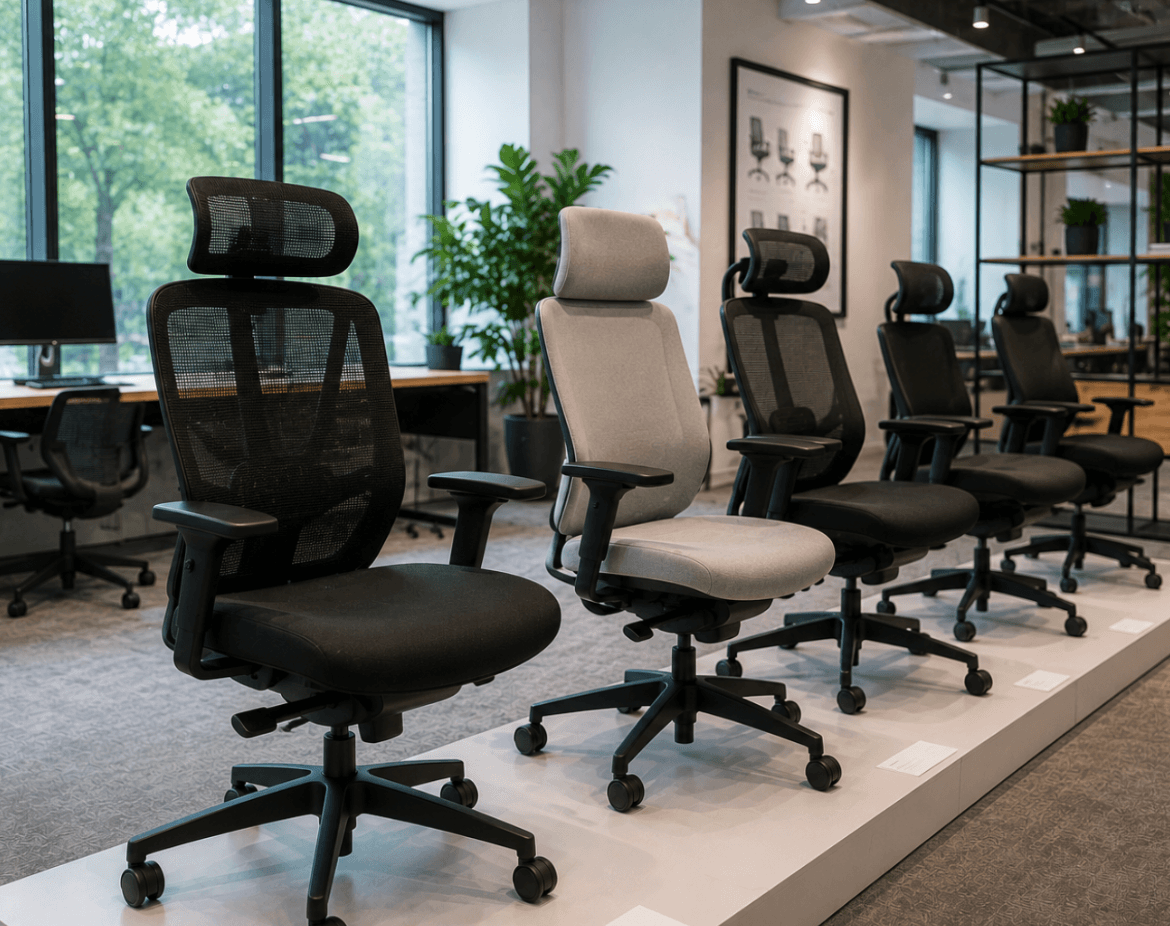
Office chairs should provide sufficient adjustment to accommodate different users rather than offering a one-size-fits-all solution.
Chair selection is one of the most common office furniture mistakes because buyers often focus on price or appearance before usability.
A chair that looks smart in a meeting room may be unsuitable for full-day desk work. Likewise, a low-cost task chair may seem practical until multiple employees begin using it daily and discover limited adjustment.
When assessing office seating, key features to consider include:
- Seat height adjustment
- Lumbar support
- Armrest positioning
- Backrest support
- Tilt or recline control
- Stability and mobility
These features become even more important in hybrid offices or hot-desking environments, where several people may use the same chair across the week.
Different users have different seating preferences, body proportions and workstation setups. A chair with minimal adjustment can make shared workstations harder to use effectively.
This is why businesses should look beyond appearance and compare chairs based on suitability for real working conditions.
If you are reviewing seating options, exploring dedicated ergonomic office chairs can help identify models designed for adjustable workstation use.
Mistake 2: Buying Furniture Before Planning The Layout
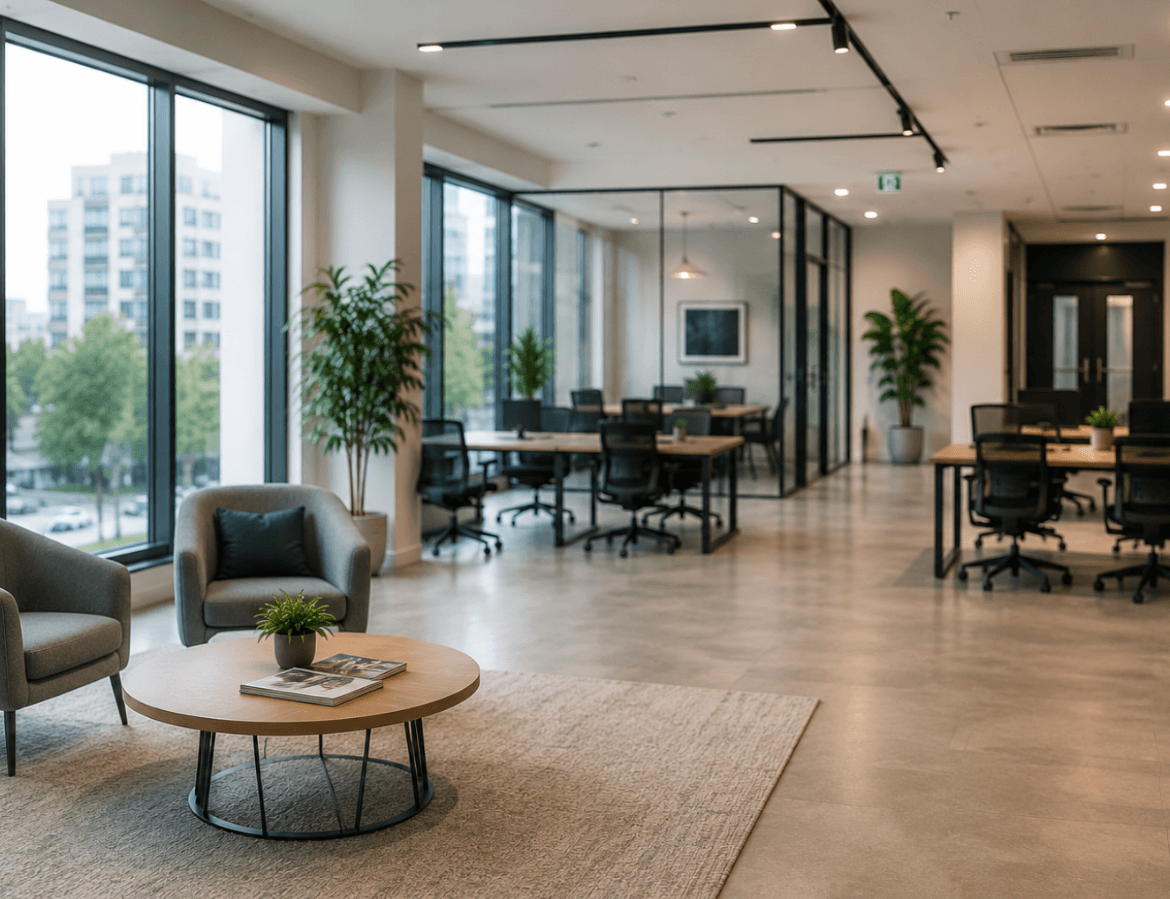
Even high-quality furniture performs poorly if the office layout restricts movement, collaboration or concentration.
This is one of the costliest mistakes businesses make.
Furniture often gets ordered before anyone fully considers how the office will function. On paper, desks may fit. In practice, the space can feel cramped, awkward or inefficient.
Common layout issues include:
- Narrow walkways
- Oversized desks
- Poor meeting room access
- Lack of quiet areas
- Crowded collaborative spaces
- Insufficient room for future expansion
A layout needs to support how teams actually work.
For example, sales teams may need frequent collaboration and call spaces. Finance teams may need quieter focused work areas. Hybrid teams may need fewer permanent desks but more shared meeting space.
Without planning, businesses often create layouts that force incompatible activities into the same area.
Before purchasing furniture, ask:
- Where do people need focused work?
- Which teams collaborate regularly?
- How many meeting spaces are needed?
- Where are power and data points?
- Can the layout adapt if headcount grows?
Professional office design build planning often identifies these issues before they become expensive problems.
A good layout improves circulation, makes better use of floor space and gives furniture a clearer purpose.
Mistake 3: Ignoring Storage Requirements
Poor storage planning creates clutter, reduces flexibility and limits how effectively a workspace can function.
Storage is often treated as secondary because desks and chairs feel more urgent during procurement. In reality, inadequate storage quickly affects day-to-day usability.
Without proper storage, businesses often see:
- Bags under desks
- Files piling up in meeting rooms
- Shared surfaces becoming cluttered
- Personal items occupying workstations
- Equipment stored in circulation areas
This becomes especially noticeable in hybrid offices.
Hot-desking can reduce the need for permanent desks, but employees still need somewhere for personal belongings, documents and equipment. Removing desks without replacing storage often creates new organisational problems.
Useful storage solutions may include:
- Personal lockers
- Mobile pedestals
- Shared cupboards
- Filing cabinets
- Meeting room credenzas
- Wall-mounted storage
The best storage solution depends on what actually needs storing.
Good storage supports organisation while preserving flexibility. Poor storage creates clutter that spreads across the office.
Mistake 4: Prioritising Style Over Practical Use

Modern office furniture should balance appearance with usability rather than prioritising aesthetics alone.
Visual design matters. Offices shape client impressions, brand perception and employee experience. However, style should not come at the expense of function.
This mistake usually appears in one of two ways.
First, businesses choose fashionable furniture that looks impressive but performs poorly in daily use.
Examples include:
- Statement chairs with limited support
- Oversized reception furniture
- Stylish desks with poor cable management
- Minimalist meeting tables with no power access
Second, businesses assume practical furniture must look plain or uninspiring.
That is rarely true today.
Modern office furniture increasingly combines clean aesthetics with practical design. Businesses do not need to choose between appearance and usability. They need to balance both.
Questions worth asking include:
- Is this comfortable for daily use?
- Is the material durable?
- Can it handle commercial usage?
- Is maintenance manageable?
- Will it still work as needs change?
A visually impressive workspace loses value quickly if employees avoid using certain areas because the furniture is impractical.
Mistake 5: Buying Only For Today’s Needs
Office furniture should support future growth, not just current headcount or immediate requirements.
This is a major planning oversight, especially for growing businesses.
A layout designed around today’s occupancy may become restrictive sooner than expected. Team structures change. Hybrid working patterns evolve. Departments expand. Office usage shifts.
Furniture that lacks flexibility can become a costly limitation.
Examples include:
- Fixed desk layouts with no expansion room
- Insufficient meeting capacity
- Storage that cannot scale
- Furniture unsuitable for hybrid working
- Single-purpose spaces with limited adaptability
Future-proofing does not mean overbuying.
It means asking better questions during planning:
- Could headcount grow in 12–24 months?
- Might more staff return to the office?
- Will hybrid working continue?
- Can layouts be reconfigured easily?
- Can furniture serve multiple purposes?
Modular furniture, flexible layouts and adaptable workspace planning can help businesses respond to change without starting from scratch.
The best office investments often support both present and future working patterns.
Frequently Asked Questions
What Is The Biggest Office Furniture Mistake?
The biggest mistake is usually buying furniture before planning how the workspace needs to function. Layout and workflow should guide purchasing decisions.
How Often Should Office Furniture Be Replaced?
There is no fixed replacement cycle. Furniture should be reviewed when it no longer suits workspace needs, shows significant wear or prevents efficient use of the office.
Does Office Layout Affect Productivity?
Office layout can influence workflow, movement, collaboration and organisation. Poor layouts can create unnecessary friction during everyday work.
How Do You Choose Ergonomic Office Furniture?
Focus on adjustability, support and suitability for the intended user. Ergonomic features such as adjustable seating, lumbar support and suitable desk height are important considerations.
Should Businesses Plan Layouts Before Buying Furniture?
Yes. Planning first helps avoid costly mistakes, improves space utilisation and ensures furniture supports both current and future workplace needs.
The most common office furniture mistakes rarely come down to buying the wrong product alone. They usually begin with poor planning.
Choosing unsuitable chairs, ignoring storage, rushing layout decisions or buying purely for appearance can all make a workspace harder to use. The best office furniture supports how people actually work, both now and in the future.
Plan first, think long term and balance practicality with design.
If you’re planning a new office or updating your existing workspace, Wave Office can help you avoid common furniture mistakes and create a workspace that supports your business now and in the future. Contact us to discuss your office furniture, design or workspace planning requirements.