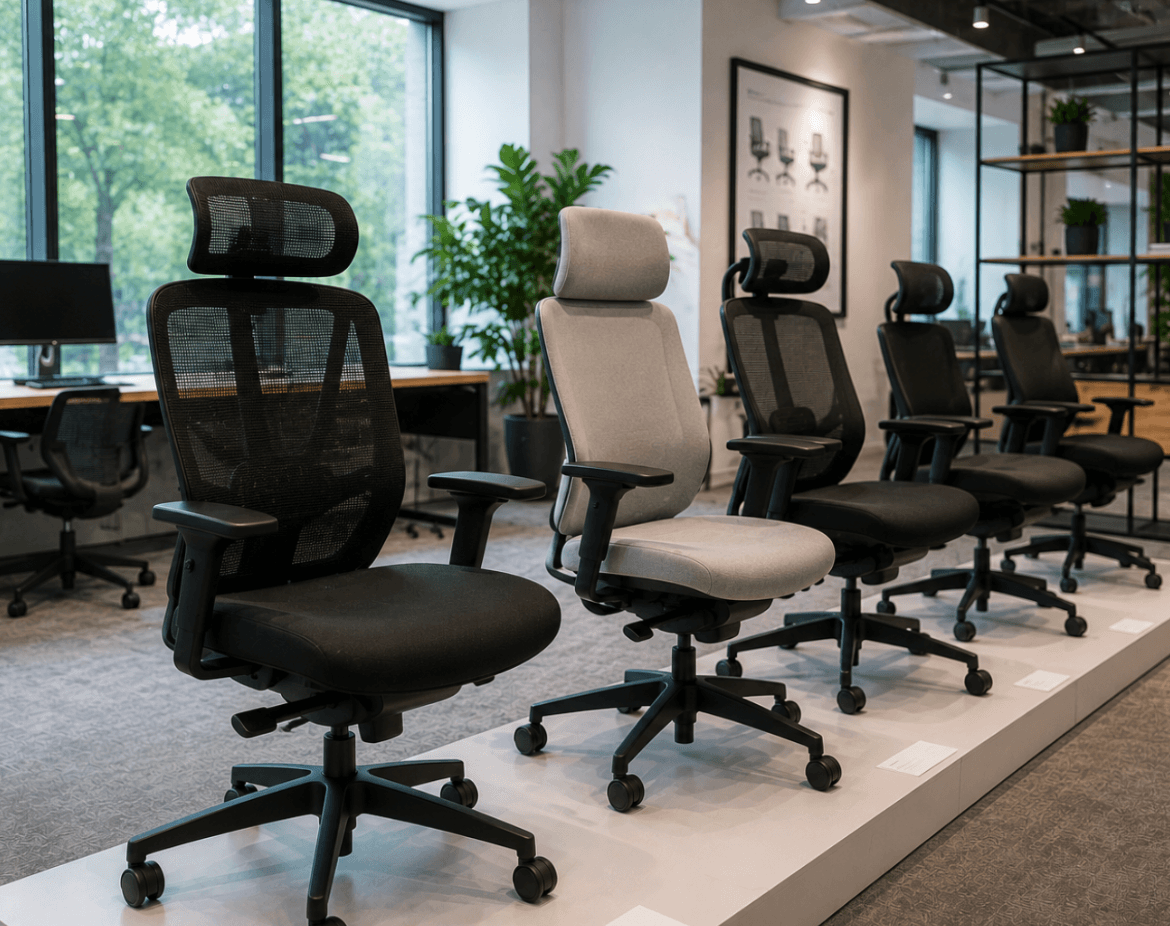

Interest in ergonomic office desks has grown steadily in recent years. For many organisations, this shift reflects changing expectations around employee wellbeing, productivity and workplace design. As businesses review their office environments, furniture decisions increasingly sit alongside wider conversations about health, comfort and long-term performance.
At the same time, investment decisions face close scrutiny. A desk purchase must do more than look modern. It needs to support daily work, remain reliable over time and justify its cost within wider operational budgets.
Height adjustable desks sit at the centre of this debate. They promise greater flexibility and movement throughout the working day, yet they also introduce higher upfront costs and new considerations around implementation.
This guide takes a practical look at how these desks function, where they add measurable value, where they may fall short, and how organisations can approach adoption in a structured way. If you are evaluating ergonomic improvements or planning an office refurbishment, this article aims to provide a clear and balanced perspective.
What Are Height Adjustable Desks?

Height adjustable desks are workstations designed to move between seated and standing positions. Unlike fixed desks, they allow users to alter their working height throughout the day, supporting sit stand desks functionality within standard office layouts.
At a basic level, these desks consist of a desktop surface supported by adjustable legs connected to a lifting mechanism. The user can raise or lower the desk to suit their posture, enabling transitions between sitting and standing without leaving the workstation.
Two main configurations exist. Manual models rely on a crank handle or similar mechanism to adjust the height. Electric height adjustable desks use one or more motors integrated within the frame, controlled by buttons mounted beneath the desktop. Some systems include memory presets so users can save preferred heights.
It is also useful to distinguish between domestic and commercial standing desks. Domestic models are often designed for occasional use and lighter equipment. Commercial versions are built to support heavier monitors, accessories and continuous daily operation across larger teams.
Across modern workplaces, these desks are becoming more visible in both corporate and public sector environments. They are rarely introduced on their own. Instead, they typically form part of broader workplace ergonomics strategies designed to improve comfort and support long-term employee wellbeing.
How Height Adjustable Desks Work
Understanding how height adjustable desks operate can help organisations evaluate durability, stability and long-term performance.
Electric systems use motors housed inside telescopic lifting columns within the desk legs. When activated, these motors raise or lower the desktop smoothly. In commercial settings, dual motor systems are common because they distribute lifting power evenly across wider work surfaces.
Control panels mounted beneath the desk allow users to adjust height at the press of a button. Some models include programmable presets that store preferred positions, making it easier to switch between sitting and standing throughout the day.
Manual crank systems operate through mechanical gearing. Turning a handle engages an internal spindle that extends or retracts the desk legs. These models often cost less initially, although adjustments can take longer and may be less convenient in shared environments.
Pneumatic systems use gas-assisted lift mechanisms. They allow relatively quick adjustment but are usually found in lighter-duty desks with lower weight capacities.
Weight capacity is an important specification. Monitors, docking stations, document trays and desktop accessories add significant load. A commercial specification desk typically supports 100 kilograms or more, ensuring stability even at full height.
Frame construction also affects performance. Steel frames with cross support reduce lateral movement, particularly when the desk is fully extended. Stability becomes noticeable in open-plan environments where excessive wobble can distract nearby colleagues.
Cable management is another practical feature. Integrated cable trays, ports and modesty panels help organise wires and minimise trip risks, which is especially relevant during larger workplace rollouts.
The Benefits of Height Adjustable Desks
The primary advantage of height adjustable desks lies in encouraging movement during the working day. Rather than remaining seated for extended periods, employees can alternate between sitting and standing, introducing variation in posture without leaving their workstation.
Research into sedentary behaviour has linked prolonged sitting with a range of health concerns, including musculoskeletal discomfort and metabolic risk factors (British Journal of Sports Medicine, 2015). The Health and Safety Executive also highlights the importance of suitable workstation design and posture variation in reducing strain (HSE, 2021).
While a desk alone cannot address every ergonomic issue, it can contribute to a more flexible working setup.
From a practical perspective, posture variation can reduce complaints of stiffness in the lower back, shoulders or neck. Changing position periodically allows muscles to remain active rather than locked in a static posture for long periods.
Some employees also report improved concentration when alternating positions, particularly during longer tasks or virtual meetings. Even small adjustments can refresh attention and energy levels during the afternoon.
Employee perception plays a role as well. Workplaces increasingly communicate their values through physical environments. Investment in adjustable office furniture can signal a commitment to comfort and wellbeing.
When introduced alongside ergonomic assessments and clear guidance, these desks can support a wider workplace ergonomics strategy rather than acting as a standalone solution.
Potential Drawbacks to Think About
Despite their advantages, height adjustable desks also introduce practical considerations that organisations should evaluate carefully.
The most obvious factor is cost. Commercial electric models typically cost more than fixed desks, and across large offices the price difference can influence capital approval decisions.
Infrastructure can also affect implementation. Electric desks require power access, which may involve additional floor boxes or cable routing in older buildings. These adjustments can extend installation timelines during refurbishment projects.
User behaviour also matters. Standing continuously is not automatically beneficial. Without guidance, some people may overuse the standing function, leading to fatigue or lower limb discomfort. Gradual adoption and clear usage recommendations help avoid these issues.
Noise levels are generally low, yet repeated adjustments in open-plan offices may cause minor distraction if desks are raised or lowered frequently throughout the day.
Adjustable desks are also heavier than standard desks due to their motors and reinforced frames. This additional weight can affect relocation logistics during office moves or layout changes.
Finally, height adjustable desks do not replace a comprehensive ergonomic setup. Chair support, monitor placement and keyboard positioning remain essential. Introducing adjustable desks without reviewing the wider workstation configuration may limit the overall benefits.
Who Gets the Most Value from Height Adjustable Desks?
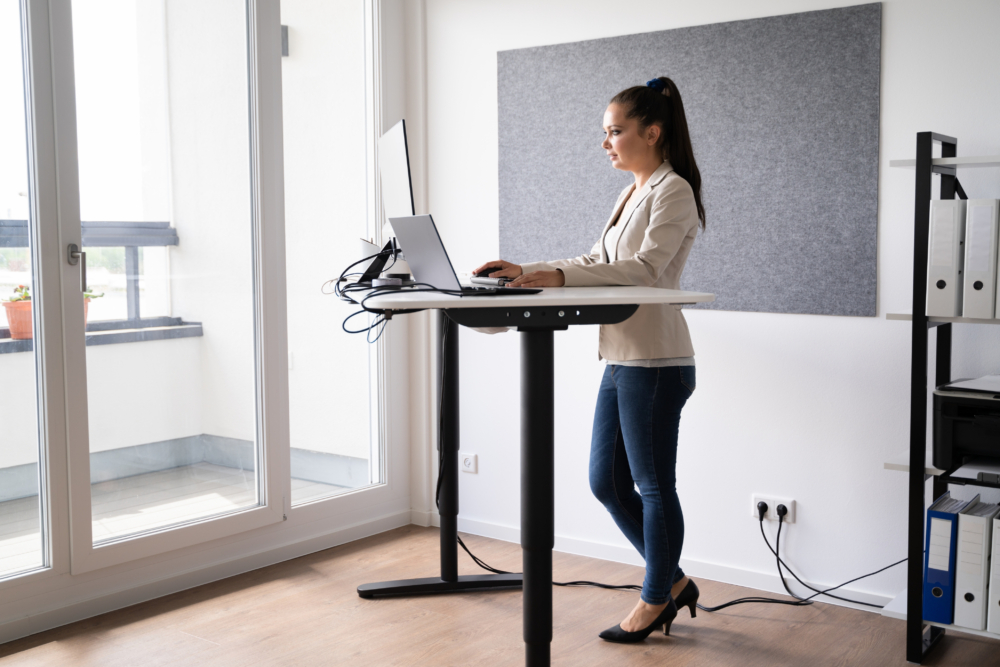
Height adjustable desks tend to deliver the greatest value in environments where employees spend long periods working at a screen.
In large offices where desk-based tasks dominate the working day, the ability to change posture without interrupting workflow can support comfort over extended periods.
Hybrid workplaces also benefit from adjustable desks. Shared workstations used by different individuals across the week require flexibility. Adjustable height settings allow each user to adapt the desk quickly to suit their posture.
Public sector environments often integrate adjustable desks within structured wellbeing initiatives. When introduced following workstation assessments or ergonomic reviews, they can support targeted interventions for staff experiencing discomfort.
Office relocations and refurbishments provide another opportunity. Integrating adjustable desks during redesign projects simplifies power planning and allows layouts to accommodate the additional functionality.
Smaller organisations may also benefit, although a selective rollout often proves more cost effective. Prioritising teams with intensive screen-based work or specific ergonomic risks can generate clearer value than universal installation.
Cost vs Long Term Return on Investment
Comparing a standard fixed desk with an electric height adjustable desk reveals a clear difference in purchase price. However, the financial conversation rarely ends at the initial investment.
Over a lifecycle of five to ten years, several factors influence overall value. Frame quality, motor reliability and warranty length affect maintenance requirements and replacement cycles.
Commercial desks often include warranties ranging from seven to ten years. A higher specification model may reduce mid-term expenditure by avoiding premature replacement or repair.
Consider a hypothetical organisation with 100 employees. If improved workstation flexibility reduces discomfort for even a small proportion of staff, the resulting reduction in short-term absence can offset part of the initial cost.
Productivity gains are harder to measure directly, yet incremental improvements across large teams can accumulate over time. Even small increases in focus or efficiency may contribute to long-term output.
There is also reputational value to consider. Investment in office wellbeing solutions can strengthen employer branding and support staff retention. Recruitment and onboarding costs often exceed the price difference between desk types.
Return on investment depends on correct specification, thoughtful rollout and effective user guidance. Viewing adjustable desks purely as furniture rather than workplace infrastructure may underestimate their potential value.
Key Features to Look For
When evaluating height adjustable desks for commercial use, decision makers should prioritise durability, safety and long-term reliability.
- Weight capacity – Confirm the desk can comfortably support monitors, docking stations and additional accessories. Higher load ratings often indicate stronger internal components.
- Stability at full height – Test the desk when fully extended. A rigid frame with cross support helps minimise movement in open-plan environments.
- Height range – A wider adjustment span accommodates both shorter and taller users, supporting inclusive workplace ergonomics.
- Anti collision safety features – Quality desks stop automatically if resistance is detected during movement, protecting equipment and reducing risk.
- Motor quality and warranty – Longer warranties typically reflect confidence in motor durability and long-term performance.
- Cable management integration – Built-in trays, ports and modesty panels help maintain organised workstations.
- Desktop material durability – Commercial surfaces should resist scratches, heat and cleaning products used in busy offices.
- Noise level during adjustment – Quieter motors help prevent distraction in open-plan environments.
How Height Adjustable Desks Compare to Traditional Desks
This comparison highlights how adjustable desks introduce greater flexibility but also additional considerations during installation and planning.
| Feature | Height Adjustable Desks | Traditional Desks |
| Flexibility | Sit or stand working positions | Fixed height only |
| Ergonomic adaptability | High, supports posture variation | Limited to chair adjustments |
| Cost | Higher upfront investment | Lower purchase price |
| Installation | May require power access | Simple assembly |
| Maintenance | Moving components require occasional checks | Minimal maintenance |
| Visual impact | Modern, wellbeing-focused workspace | Conventional office appearance |
Tips for Introducing Height Adjustable Desks into the Workplace
Adopt a phased rollout – Introducing adjustable desks gradually allows organisations to gather feedback and refine implementation. Starting with departments where desk work is most intensive often provides the clearest insights.
Provide staff education sessions – Adjustment alone does not guarantee benefit. Short guidance sessions can explain how to alternate between sitting and standing and how to avoid fatigue.
Carry out ergonomic assessments – Review chair support, monitor height and keyboard positioning alongside the new desks. Treating the desk as part of a wider workstation setup improves outcomes.
Issue clear usage guidance – Simple written instructions or digital reminders can encourage balanced posture changes rather than prolonged standing.
Measure impact post installation – Monitoring absence levels, reported discomfort and employee feedback over six to twelve months can help evaluate the effectiveness of the rollout.
Align with wider refurbishment projects – Introducing adjustable desks during relocations or redesigns simplifies power planning and reduces disruption.
Frequently Asked Questions About Height Adjustable Desks
Are height adjustable desks good for posture?
They can support healthier posture by allowing movement between sitting and standing. Remaining in one position for long periods often contributes to discomfort, so alternating positions can help reduce strain.
How long do height adjustable desks last?
Commercial models are typically designed for daily use over five to ten years. Lifespan depends on motor quality, frame construction and frequency of adjustment.
Are electric desks better than manual?
Electric height adjustable desks provide smoother and quicker adjustment, which tends to suit shared or frequently used workstations. Manual versions may suit smaller offices with tighter budgets.
Do height adjustable desks use a lot of electricity?
Energy consumption is generally low because motors only operate during adjustments that last a few seconds.
Are they suitable for shared desks?
Yes. Preset controls allow different users to switch between preferred heights quickly, making them useful in hybrid workplaces.
What is the best way to introduce adjustable desks?
A phased rollout combined with ergonomic guidance and staff education usually delivers the best results.If you are evaluating adjustable desks for your workspace or planning a wider office redesign, you can contact us to discuss practical options aligned with your organisation’s needs.