

Choosing an office chair tends to feel simple at first, yet it quickly turns into something a bit more involved once you pause and think about how long people sit each day.
For many office-based roles, the chair becomes the main piece of equipment someone uses, often for hours at a time. When the choice is wrong, discomfort creeps in, focus drops, and small aches can turn into ongoing issues.
This guide looks at the key office chair considerations worth paying attention to before buying. If you’re looking to juggle comfort, budget and considering any shared workspaces, we can give you clear guidance right here, helping you make ergonomic-first decisions that suit real offices and real people.
Ergonomics and Adjustability
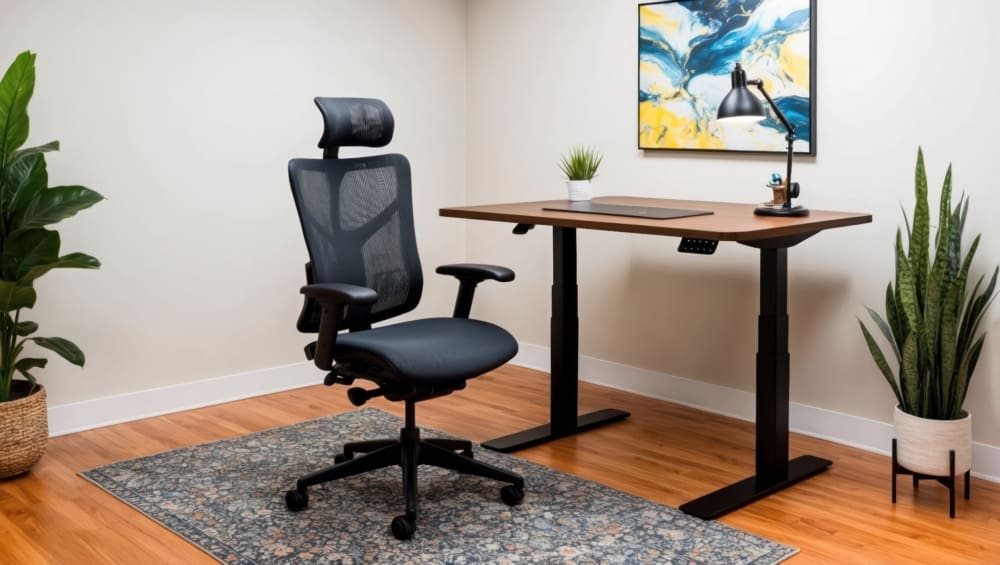
Ergonomics sits at the centre of most office chair considerations, mainly because bodies differ far more than chairs often do. A well-designed chair should adjust to the person using it, rather than forcing someone to adapt their posture around fixed parts.
Seat height adjustment allows feet to rest flat on the floor, which helps with circulation and balance. A supportive backrest, ideally with adjustable lumbar support, encourages the spine to sit in a more natural position during desk work. Armrests also play a part, offering support for the shoulders and upper arms when they can be raised, lowered or moved inwards.
Adjustability becomes even more relevant in shared offices. A chair used by multiple people throughout the week needs to adapt quickly and easily; otherwise, it tends to be set up for one person only. Chairs designed with flexibility in mind usually suit a wider range of body shapes, which makes them a safer choice for growing teams and changing roles.
Comfort and Support for Long Hours
Comfort is sometimes treated as a nice extra, yet it plays a direct role in how people feel by the end of the day. Sitting for long periods places pressure on the lower back, hips and thighs, particularly when the chair does not offer enough support.
Good cushioning helps spread weight more evenly, reducing pressure points that can lead to soreness. The seat should feel supportive rather than overly soft, since chairs that sink too much can cause muscles to work harder to maintain balance. Back support matters just as much, especially for tasks involving screens and keyboards, where people remain seated for extended stretches.
Over time, a chair designed with comfort in mind tends to reduce fatigue. When people are not constantly shifting to relieve discomfort, they often find it easier to stay focused and engaged with their work.
Material Quality and Durability
The materials used in an office chair affect comfort, upkeep and how long the chair lasts. Mesh, fabric and leather all bring different benefits, and the right choice depends on how the space is used.
Mesh chairs are known for breathability, which can feel more comfortable in warmer offices or for people who sit for long hours. Fabric options offer a softer feel and come in a wide range of finishes, though they may need more regular cleaning. Leather and faux leather create a more formal look and tend to wipe clean easily, though breathability can vary.
Durability should not be overlooked. Chairs made with stronger frames, quality mechanisms and hard-wearing materials usually last longer and perform more consistently. Over time, this can mean fewer replacements and less disruption, which makes a noticeable difference in busy offices.
Suitability for Your Workspace Setup

Every workspace has its own layout, and an office chair needs to fit comfortably within it. Desk height plays a part here, since a chair that cannot adjust high or low enough may leave someone working at an awkward angle.
Movement also matters. Some roles involve frequent reaching, turning or moving between tasks, which calls for a chair that swivels smoothly and rolls without resistance. In tighter spaces, the overall size of the chair becomes important, as bulky designs can restrict movement and crowd the area.
Thinking about how the chair works with the desk, monitor and surrounding furniture helps avoid problems later. A chair that suits the full setup tends to feel more natural during everyday use.
Budget and Value for Money
Budget often drives early decisions, though it helps to think beyond the initial price. A cheaper chair may seem appealing at first, yet it can wear out faster or fail to support the body properly over time.
Value for money looks at how the chair performs day after day. A well-made adjustable office chair, used for several years, often costs less per day than replacing low-cost chairs every year or two. There is also the impact on comfort and wellbeing to consider, especially for people who sit for most of their working hours.
Approaching budgets with long-term use in mind makes it easier to justify spending a little more upfront. Many buyers find this leads to fewer issues and better overall satisfaction.
Delivery, Assembly and Warranty Considerations
Delivery and setup are easy to overlook, though they influence how quickly chairs can be used and how well they perform. Professional delivery and correct assembly reduce the risk of faults caused by poor fitting or missing parts.
Warranty coverage offers reassurance, particularly in offices where chairs see heavy daily use. Longer warranties often reflect confidence in build quality, and clear aftercare support makes it easier to resolve issues if something goes wrong.
For people organising purchases on behalf of others, these details help take pressure off. Knowing support is available allows you to focus on choosing the right seating rather than worrying about what happens later.
When weighing up office chair considerations, it helps to start with ergonomics, comfort and adjustability, then look at materials, workspace fit and long-term value. Chairs that support healthy posture and adapt to different users tend to work better in real office settings.
If you are exploring suitable office chairs for your workspace or need guidance on specific requirements, the Wave Office team can help you make a confident choice. You can always contact us for straightforward advice based on how your office is used day to day.



Leave a comment