
Buying office furniture sounds simple at first, yet it usually becomes more layered once budgets, team needs and future plans start coming into view. A desk and chair are rarely just functional items. They shape how people work, how comfortable they feel through the day and how your space comes across to anyone walking in.
It’s quite common for organisations to rush this stage. Furniture gets replaced one piece at a time, choices lean heavily on price or bulk orders go ahead before layouts are fully reviewed. Costs then creep up, items wear out sooner than expected and people end up adapting to the space rather than working comfortably within it.
This office furniture buying guide is here to slow things down in a practical way. With clear planning, sensible budgeting and attention to ergonomics, buying office furniture becomes more considered and far less reactive. Wave Office has supported organisations through full fit-outs, refurbishments and phased upgrades for years, so the process below reflects what actually works in day-to-day projects.
The sections that follow move step by step. You can treat this as something to refer back to while planning, not just a quick read before placing an order.
Clarifying Your Office Furniture Requirements
Before requesting quotes or browsing ranges, it helps to pause and define what you genuinely need. That short pause can prevent expensive adjustments once orders are confirmed.
Start with headcount. How many people use the office each day, and how might that shift over the next 12 24 months? Hybrid patterns often fluctuate, with certain days noticeably busier. Planning around peak occupancy rather than average attendance gives a clearer sense of desk demand and shared space pressure.
Next, look at how different teams operate. Some roles need quiet, focused zones with generous desk space and storage. Others rely on collaboration, quick conversations and adaptable layouts. Recognising these working patterns shapes furniture choices in a more grounded way.
It helps to build a simple checklist covering:
- Current and projected staff numbers
- Desk-sharing or hot-desking policies
- Storage volumes and compliance requirements
- Accessibility and ergonomic considerations
- Brand and presentation preferences
Putting these details in place early creates a steady framework for the rest of the buying process. If you are unsure how to translate headcount and workflow into an actual layout, this is often where speaking to a trusted supplier such as Wave Office can make planning feel far more manageable.
Setting a Realistic Furniture Budget
Budget planning can feel like a balancing act, particularly when expectations vary across departments. Even so, setting a clear financial framework early usually makes the entire process smoother.
Begin by deciding what level of specification is appropriate. Entry-level furniture may suit short-term projects or temporary spaces. For long-term use, mid-range to premium products tend to provide stronger durability and longer warranties. The upfront cost difference can look noticeable, yet lifespan and performance often justify that step up.
It also helps to think in terms of the total cost of ownership rather than purchase price alone. Consider:
- Expected lifespan under daily use
- Warranty length and what it covers
- Maintenance or replacement components
- Delivery and installation services
A chair replaced after two years can end up costing more than one designed to last eight. Looking at value over time gives a more accurate picture than comparing price tags in isolation.
Building a modest contingency into the overall budget is sensible. Layout refinements or additional storage sometimes arise once detailed plans are reviewed. Working with an experienced team like Wave Office at this stage can also highlight costs that are easy to overlook, which helps avoid surprises later.
Choosing Office Chairs
Seating directly affects comfort, posture and concentration. For many people, a chair supports them for six to eight hours a day. That alone makes it one of the most carefully considered purchases in this guide.
Ergonomic Features to Look For
When reviewing office chairs, focus on adjustability first. A chair should adapt to the user, not the other way around.
Key features include:
- Adjustable seat height
- Lumbar support that moves up and down
- Seat depth adjustment
- Armrests with height or width flexibility
- Tilt mechanisms that support natural movement
In shared environments, simple and intuitive controls matter. Chairs used by multiple people need to be quick to adjust without confusion.
Good posture support reduces strain across the lower back and shoulders. Over time, that can mean fewer complaints and a more comfortable working day. If ergonomics feel overwhelming to assess alone, suppliers such as Wave Office can guide you through suitable models and even support DSE-led decisions.
Matching Chairs to Different Tasks

Not every seat in the office needs the same specification. Task chairs suit everyday desk work. Meeting chairs prioritise shorter-duration comfort and visual consistency. In 24-hour environments, reinforced chairs offer extended durability and support.
Matching chair type to task helps avoid overspending where advanced features are unnecessary, while preventing under-specifying roles that demand stronger performance.
Selecting Desks and Workstations
Desks shape the flow of a workspace. Their size and configuration influence movement, collaboration and storage.
Desk Types for Modern Offices
Fixed desks remain common in structured environments. They offer stability and clear allocation.
Sit-stand desks have become more popular in recent years. Height-adjustable models allow people to alternate between sitting and standing, which can support wellbeing when used correctly.
Benching systems group workstations together on shared frames. They make efficient use of floor space and often suit open-plan layouts.
When reviewing office desk ranges, look closely at cable management, screen compatibility and power access. These details tend to affect daily usability more than surface finish alone.
Desk Sizes and Layout Planning
Desk dimensions should reflect task requirements. Roles involving dual monitors or paperwork need deeper surfaces. Compact desks may suit hot-desking zones.
Space planning helps keep walkways clear and movement comfortable. Testing configurations on scaled drawings before ordering can reduce the risk of overcrowding once installation begins. This is another stage where experienced input from Wave Office can simplify decision-making and prevent costly layout revisions.
Planning Office Storage
Storage is often treated as an afterthought, which can lead to cluttered desks and inefficient workflows later.
Start by reviewing what needs to remain on site. Some organisations operate almost paper-free, while others retain physical files for compliance or operational reasons. Document volumes will shape cabinet requirements and whether centralised or departmental storage works better.
Access frequency matters too. Items used daily should be within easy reach, while archived material can sit in less prominent areas.
A balanced mix of storage options usually works well:
- Mobile pedestals for personal items and quick-access files
- Lockable filing cabinets for confidential documents
- Cupboards for shared supplies
- Vertical storage to maximise floor space
Planning storage alongside desks rather than afterwards keeps the workspace clearer and more organised from the outset.
Furnishing Meeting and Collaboration Spaces
Meeting areas need to reflect how discussions actually happen. A room that looks impressive but does not support real working patterns often sits unused.
Start by identifying the types of meetings held most often. Formal board discussions, project updates and informal brainstorming sessions all require slightly different setups.
Room size should align with realistic attendance. Oversized tables can make small meetings feel distant, while cramped spaces limit comfort.
Boardroom environments typically benefit from larger tables with integrated cable management and supportive seating for longer sessions. Collaborative zones may work better with modular tables and lightweight chairs that can be rearranged easily.
Breakout areas often combine softer seating with lower tables, encouraging relaxed conversation. Even in informal settings, durability and cleanability remain practical considerations.
Furnishing Reception and Visitor Areas
Reception spaces shape first impressions quietly but quickly. Visitors often form an opinion within moments of entering.
Consider how the area is used. If guests tend to wait for longer periods, seating should offer genuine comfort. Supportive chairs with balanced proportions create a sense of care without feeling overly formal.
Durability is equally important. Reception furniture sees varied and frequent use. Hard-wearing fabrics and sturdy frames help maintain presentation over time.
Brand alignment should feel consistent rather than overwhelming. Coordinated finishes and subtle use of company colours can connect reception to the wider office without dominating the space.
Considering Materials Quality and Durability
Materials influence how furniture performs over time, particularly in busy environments.
Laminate desk surfaces resist scratches and stains, which suits high-traffic spaces. Veneer provides a more natural appearance but may require slightly more careful maintenance. Steel frames generally offer stronger structural support than lighter alternatives.
For seating, fabric durability is often measured by rub count. Higher ratings indicate better resistance to wear. In some settings, wipe-clean finishes may support hygiene policies more effectively than standard upholstery.
Hardware components such as drawer runners and adjustment mechanisms should operate smoothly under repeated use. Commercial-grade products are typically tested more rigorously than domestic options.
Looking at expected lifespan alongside material quality allows you to balance appearance with resilience in a practical way.
Prioritising Comfort and Ergonomics
Comfort affects how people feel through the working day. Over time, it can influence absence levels and concentration.
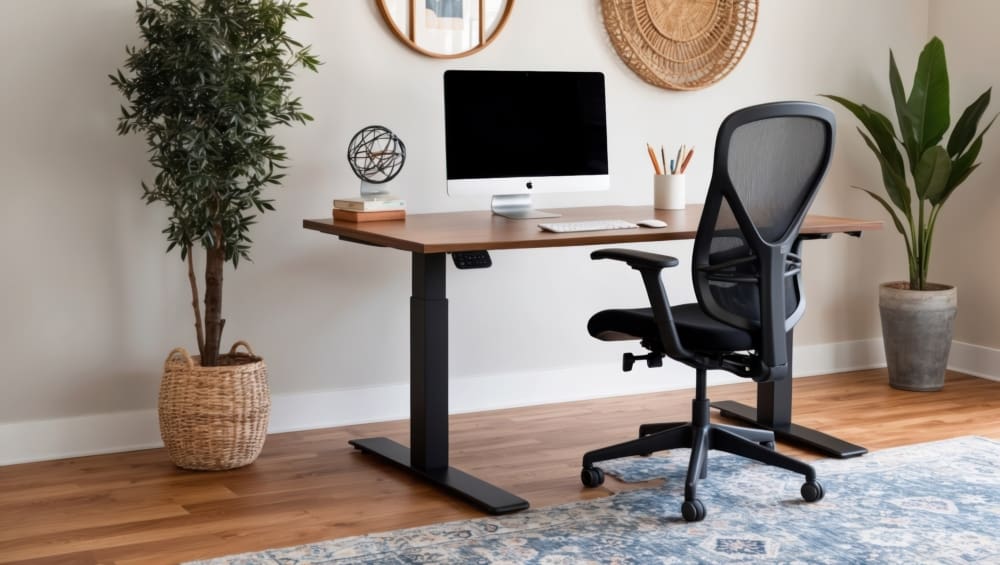
Chairs should allow feet to rest flat on the floor with knees at a natural angle. Lumbar support maintains the curve of the lower back. Adjustable armrests reduce tension in shoulders and neck.
Desk height matters too. Surfaces set too high or too low can lead to awkward posture. In shared spaces, height-adjustable desks provide flexibility for different users.
Screen placement plays a role as well. Monitors positioned at eye level encourage neutral neck posture. Accessories such as monitor arms or footrests can refine the setup where required.
Addressing ergonomics early supports wellbeing steadily, rather than reacting once discomfort becomes common. If you are reviewing multiple workstations or planning a wider refresh, Wave Office can help align furniture choices with DSE guidance and practical assessments.
Buying Furniture for Hybrid and Flexible Working
Hybrid working has changed how offices are used. Attendance varies across the week and spaces need to adapt more easily.
Understanding peak occupancy is still important. Even with flexible models, certain days may see higher footfall due to meetings or collaborative sessions.
Shared desks benefit from adjustable seating, adaptable heights and straightforward cable management. Storage may shift towards lockers or centralised units rather than personal pedestals.
Modular furniture supports gradual change. Linked desks, movable screens and reconfigurable tables allow layouts to evolve as teams grow. Instead of replacing entire workstation banks, additional components can be added over time.
Selecting scalable systems during the initial purchase helps protect long-term investment and reduces the need for extensive refitting later.
Delivery, Installation and Aftercare
The final stages often determine how smooth the overall experience feels.
Agree clear timelines before confirming orders. Lead times vary depending on specification and quantity. Larger projects may benefit from phased delivery to limit disruption.
Access constraints such as lift sizes or delivery windows should be reviewed early. Professional installation provides reassurance that desks are level, chairs are correctly assembled and layouts match approved plans.
A reliable supplier will offer transparent communication, confirmed specifications and documented warranties. Ongoing aftercare matters too. Replacement parts, layout adjustments or additional items may be needed as teams evolve.
Wave Office supports clients from initial planning through to installation and beyond, offering a steady point of contact rather than leaving you to manage separate contractors. That continuity can make the entire process feel far more straightforward.
Creating a Consistent Office Style
A consistent office style brings cohesion to what might otherwise feel like a collection of separate purchases.
Start with a clear visual direction. Selecting a core palette of finishes, fabrics and frame colours provides a base that can be repeated across desks, storage and meeting areas.
Brand references should feel intentional but not overpowering. Subtle use of company colours through upholstery or screen panels can reinforce identity without dominating the space.
Reception, meeting rooms and workstations do not need to match exactly, yet they should feel related. Establishing a clear specification guide during the initial purchase stage makes future expansion easier and keeps the workplace unified as it grows.
Buying office furniture involves more than selecting items from a catalogue. It requires defined requirements, realistic budgeting and careful attention to ergonomics and durability. Rushed decisions often lead to higher long-term costs and unnecessary disruption.
Following a structured approach allows you to plan with greater confidence. Clarify needs first. Assess ownership costs. Prioritise comfort and flexibility. Choose materials designed for daily commercial use.If you would like tailored advice or support planning your next workspace project, you can contact us at Wave Office to discuss your requirements with a team that understands both the practical detail and the wider picture.


Leave a comment