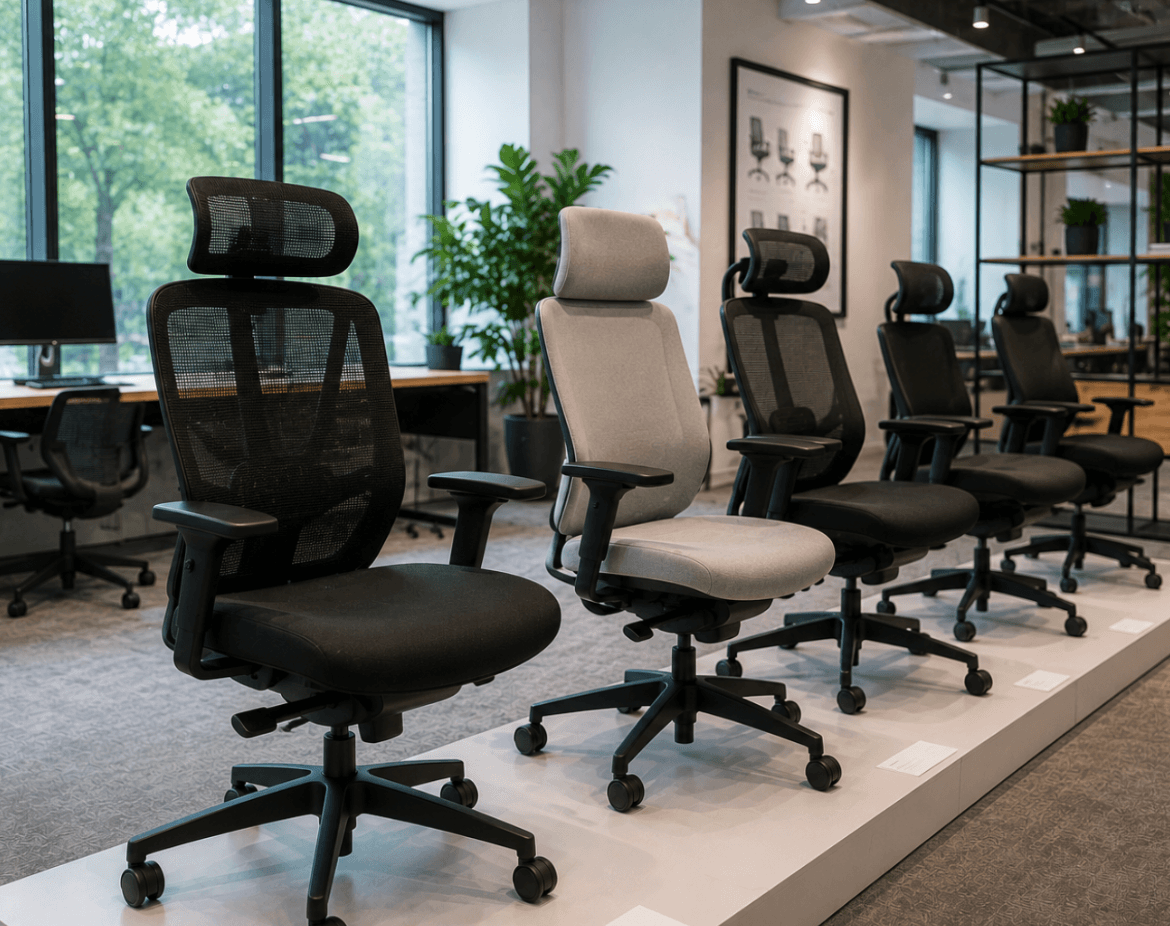
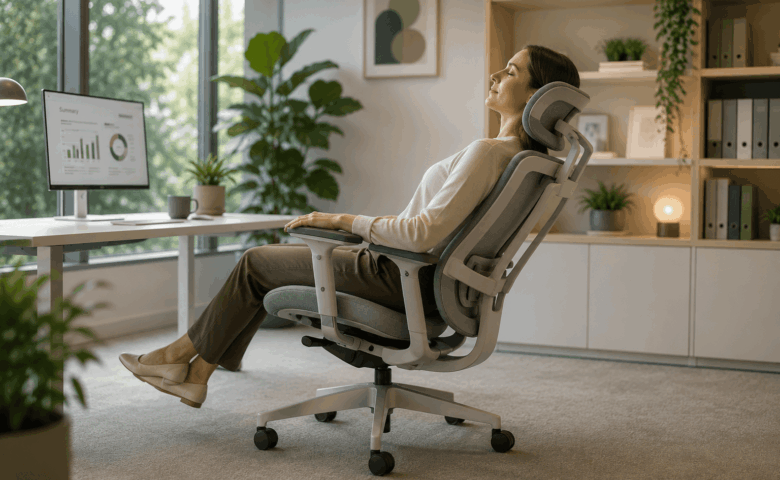
Questions around office chairs and spine health often centre on posture, comfort, and long-term impact. Reclining office chairs introduce a slightly different consideration. While some assume leaning back reduces strain, others associate it with poor sitting habits.
In practice, the answer sits between the two. A reclining office chair can support the spine when used correctly, though it does not replace proper setup or posture. The way the chair is adjusted and used tends to matter more than the recline function itself.
This guide explains how reclining works, where it can support spinal health, and what to consider when choosing an ergonomic office chair.
What A Reclining Office Chair Is Designed To Do
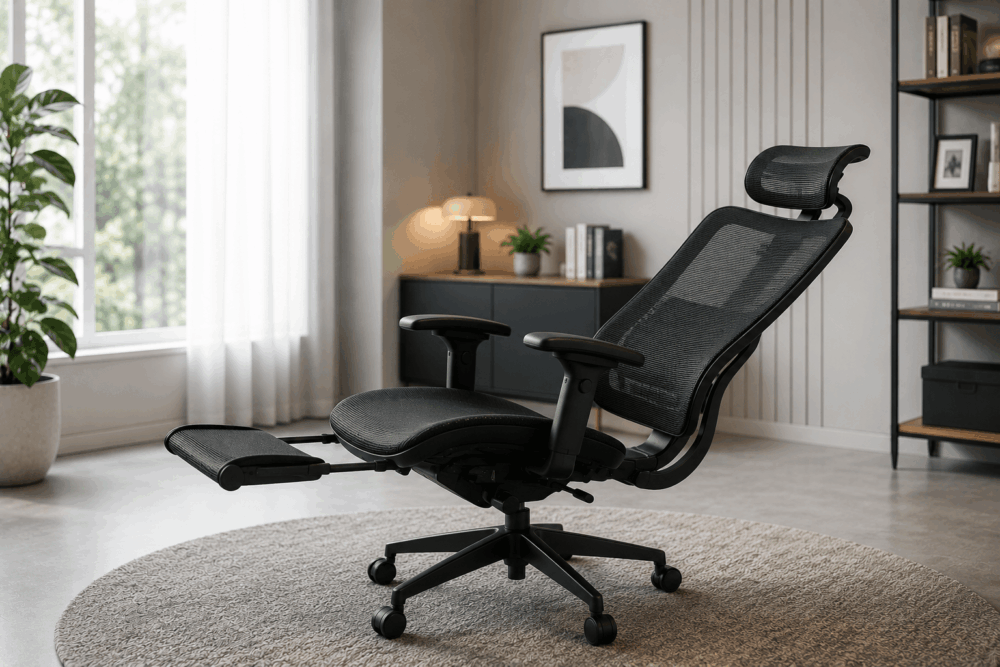
A reclining office chair allows the backrest to tilt backwards, giving users the option to move away from a fixed upright position. This movement is controlled through mechanisms such as tilt, synchro tilt, and lock systems, each offering a different level of support and flexibility.
The purpose is not to promote constant reclining. Instead, it introduces controlled movement into the working day. Remaining in one static position for extended periods can increase pressure on the spine, particularly in the lower back.
Reclining chairs are designed to support natural shifts in posture. This flexibility helps reduce the strain associated with rigid seating and allows the user to adjust position as tasks change throughout the day.
How Reclining Can Support The Spine
When used correctly, a reclining office chair can contribute to better spine support in several ways:
- Reduces pressure on the lower back compared to prolonged upright sitting
- Distributes body weight more evenly between the seat and backrest
- Encourages regular posture changes, helping limit stiffness
- Supports the natural curve of the spine when lumbar support is properly adjusted
- Provides variation in seating position, which can improve overall comfort during long periods at a desk
The benefit comes from movement rather than the reclined position alone. Chairs that allow controlled adjustments tend to support spinal health more effectively than fixed designs.
When A Reclining Office Chair Can Be Beneficial
Reclining office chair benefits are most noticeable in environments where posture can vary throughout the day.
They may be particularly useful for:
- Long desk-based roles where fatigue builds gradually in the lower back and shoulders
- Tasks such as reading, reviewing documents, or video calls, where a slightly reclined position feels more natural
- Users experiencing mild discomfort linked to static sitting positions
- Hybrid working setups where ergonomic consistency is harder to maintain
- Roles that allow flexibility in posture rather than constant forward-facing screen work
In these situations, the ability to shift position can help reduce the impact of prolonged sitting.
Why Posture Still Matters When Using A Reclining Chair
Reclining does not remove the need for proper posture. The spine still relies on structured support, particularly in the lumbar region.
Without adequate adjustment, the body may fall into a slouched position, which can increase strain rather than reduce it. A reclining chair should support alignment, not replace it.
Key considerations include:
- Keeping feet flat on the floor
- Maintaining a comfortable knee angle
- Aligning the screen with natural eye level
- Adjusting lumbar support to match the curve of the lower back
Poor positioning, even in a high-quality chair, can lead to tension in the neck and shoulders. For this reason, posture remains central to any ergonomic seating setup.
Features To Look For In A Supportive Reclining Office Chair
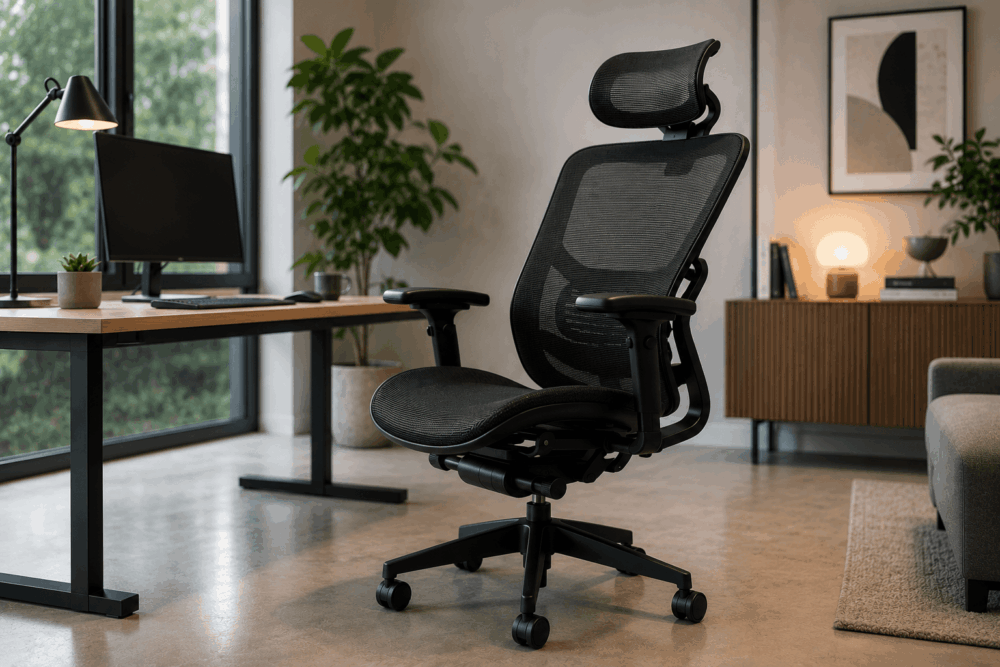
Not all reclining chairs offer the same level of ergonomic office chair support. The quality of adjustability plays a significant role in how well the chair supports the spine.
Features to look for include:
- Adjustable lumbar support to maintain lower back alignment
- Seat height and depth controls to suit different body types
- Tilt tension and lock settings for controlled reclining
- Headrest support to maintain neck positioning during recline
- Durable materials that provide consistent support over time
An adjustable office chair in the UK market should offer flexibility across these areas, rather than relying on a single fixed position.
Common Mistakes That Can Reduce Spinal Support
Even the best office chair for back pain can fall short if it is not used correctly.
Common issues include:
- Remaining fully reclined for long periods
- Poor desk or screen positioning leading to neck strain
- Limited adjustability that prevents proper setup
- Ignoring individual comfort and body differences
These factors can reduce the effectiveness of any ergonomic seating solution, regardless of design.
Reclining Office Chairs Compared With Standard Office Chairs
Reclining office chairs offer greater flexibility than standard fixed designs. This allows users to adjust posture throughout the day, which can help reduce discomfort linked to static sitting.
Standard office chairs tend to support a more upright position, which suits task-focused work that requires consistent screen engagement.
Each option serves a different purpose:
- Reclining chairs support movement and variation
- Standard chairs provide stability for focused tasks
Choosing between them depends on how the chair will be used, rather than a single definition of what works best.
How To Use A Reclining Office Chair Properly At Work
To get the most from a spine support office chair, correct setup is essential:
- Adjust seat height, depth, and lumbar support to fit the user
- Use the recline function intermittently rather than continuously
- Keep the desk and screen aligned with eye level
- Change posture regularly to support circulation and reduce stiffness
Consistent adjustment tends to deliver better long-term comfort than relying on one fixed position.
Who May Benefit Most From A Reclining Office Chair
Reclining chairs are typically suited to individuals who spend extended periods seated and can vary their posture throughout the day.
They may be particularly relevant for:
- Office workers with long sedentary hours
- Users experiencing mild back discomfort
- Roles involving calls, reading, or flexible workflows
In more fixed workstation environments, a standard ergonomic office chair may be more appropriate.
Choosing A Reclining Office Chair For Comfort And Back Support
Selecting the right chair depends on how it will be used. Features such as adjustability, lumbar support, and controlled recline tend to have a greater impact than appearance.
Testing a chair before purchase can provide a clearer sense of how it performs over time. Durability is also worth considering, particularly in busy office environments.Exploring our range of office chairs can help identify suitable options based on different workspace needs. For more specific guidance, contact us and speak to our specialist team here at Wave Office for support with more tailored decisions.