Search
tired at work

How Does Tiredness Affect Performance at Work

Research from Westfield Health has found that almost half of employees regularly turn up to work too tired to function effectively. Despite this, 86% feel that they are not able to openly communicate with their manager about how their tiredness is affecting their performance. 34% of survey respondents said that their mental well-being has suffered because of their tiredness, whilst 55% stated that their fatigue extends beyond the office and affects their home life too. 37% state that tiredness has made them forgetful at work and 30% said it has made them short tempered with colleagues. Worryingly, 22% have found themselves actively drifting off to sleep at work and 13% have drifted off while driving. Furthermore, 30% have had an accident, made a serious mistake or felt extremely stressed at work due to fatigue. Currently, 86% of employees feel that their employers or managers do not recognise the negative impacts and dangers of fatigue and only 9% believe that their employer would find fatigue a valid reason to call in sick. Director of Well-being at Westfield Health, Richard Holmes, states that "the importance of rest time both at work and home should be taken seriously and encouraged by employers, and fatigue should be considered just as important as any other physical illness or injury".

So, what can be done?

  Try to break your work schedule down into smaller chunks. This makes larger tasks seem less overwhelming and also allows you to use the Pomodoro Technique which can help you to stay focused and less stressed. Make sure you get up to move around as much as possible throughout the day. This is good for keeping your mind alert and a gentle outdoor exercise such as a short walk during your break time is proven to have a positive impact on mental health. Try to slowly cut down on sugar and carbs and swap caffeinated drinks for herbal teas or water. This helps to keep energy levels steady throughout the day rather than providing an artificial peak caused by sugar or caffeine which results in an energy crash later in the day. Make sure your work space is set up ergonomically. A good ergonomic chair and setting your monitor screen to the correct height, as well as the addition of a footrest are all great ways to keep your body free from aches, pains and strains. An ergonomically correct posture will also keep oxygen flow and circulation at an optimum to help you to stay more alert and focused. Freedom from aches and pains helps you to feel less tired and aids in keeping added stress from pain at bay. Try to get as much rest at home as possible. Develop a good night time routine with screen time ending at least an hour before you plan to go to sleep. Also, unless it is required by your employer, do not bring your work home and don't check or respond to emails whilst out of the office. Consider taking a long weekend if you have enough holiday time to use. Regular, shorter breaks can often be better than one extended summer holiday. Try to use this time to relax and unwind as much as possible and make sure that you do not spend the time checking up on work. Finally, if you feel able to, talk to your manager or employer about how your fatigue is affecting you both personally and professionally. You may, for example, be able to reach a flexible working agreement to allow you some extra time to rest, or you oculd ask for the opportunity to start and finish earlier so that you don't spend any more time than necessary commuting.  
employee

What Are Employee’s Top Priorities in Terms of Benefits and Working Environment

Do you really know what makes your staff tick?

Research by co-working developer, Areaworks, has found that flexible and comfortable working zones are a top priority to employees. Half of the workers surveyed wanted to swap fixed desks for hot desks and casual seating. 64% of office-based respondents also stated that having access to good outdoor facilities or the ability to work on a roof terrace were important productivity and well-being factors. Other items that made the list for dream office features included:
  • Good kitchen facilities
  • Plants
  • Games, e.g, table tennis
  • Pets
  • Sleeping Pods
  • Water Features
A study conducted by Perkbox, found that Generation Z - those born between the mid-1990's and 2000 - place a high importance on perks when deciding where to work.  The research also found that 32% of Gen Z prefer smaller benefits with a higher frequency that they can benefit from year round, rather than one bigger annual event such as a Christmas party. The top 3 most popular perks were annual leave on birthdays, free hot drinks and flexible working hours. These were closely followed up by free lunches and access to private health and dental care. Capital One recently conducted a survey of 3,500 full-time US employees. The aim of the research was to understand employee's thoughts on workplace environment and design in relation to productivity, innovation and collaboration. According to the results, many employees highly value flexibility and good office design. They also value up-to-date technology, agile work spaces and personal well-being investments. These factors were found to be particularly important when employees were considering moving to a new employer. For example, 73% of workers say that a flexible schedule is a top reason for choosing to stay with or leave an employer. When it comes to office design, 57% value natural light, 37% feel they benefit from easily reconfigurable furniture, 30% value collaborative spaces and 25% place high importance on rest and relaxation zones. 66% of workers believe that the design of the office environment is more important that it's location. When asked to choose a health and well-being benefit that they would most like to keep or see implemented, 39% of respondents cited healthy food and beverage options as an important benefit, while 33% placed a high importance on on-site health and wellness centers or programs. Next time you're considering your staff retention rates or are trying to attract a new generation of workers, consider what it is that they value and implement as many of these factors as you can.
Desk with chair and laptop

What’s The Best Height Adjustable Desk?

Looking to buy height adjustable desks? Need some more information about the best types of sit/stand desks? Read on.

  There is plenty of information available online regarding the multitude of ways that sit/stand desks are beneficial for both staff and employers. However, there isn't much information about what the best type of height adjustable desk may be for your business. We won't cover all of the specific benefits that height adjustable desks can offer, as this information is easily found, however, we will say that keeping the body moving throughout the day is one of the best ways to improve concentration and productivity and avoid the development of musculoskeletal issues. There is a wide range of factors that need to be considered when looking to purchase height adjustable desks. These factors are often overlooked by consumers and this leads to dissatisfaction and inefficient use further down the line. It also causes many to believe that sit/stand desks are an unsustainable "fad" for the workplace. Here, we aim to help you to choose the best type of ergonomic sit/stand desk and explain why this choice is most likely to have the best impact on staff health, well being and productivity and thus, the best ROI for your business.   Manually adjustable sit/stand desks are generally operated by a crank handle. This adjustment operation is almost always slow and laborious and often people will simply just stop adjusting the desk, particularly if it is intended for use by a sole individual. In the case of electronic height adjustable desks, there are a range of factors to consider before purchase that could cause issues with usage and integration. Electronic operating motors can be noisy both when in use and when idle. A common complaint is that even when not being actively adjusted, the motor will make an annoying humming or buzzing noise which is particularly noticeable in quiet working areas of offices or in libraries. Motors also run the risk of failure. It's not common but it is a problem that can occur and if it does it has the potential to put the desk out of use until fixed. Motor failure is particulalry problematic if the failure occurs during an adjustment as the desk will end up at an awkward and unworkable height. Multiple and frequent adjustments can wear the motor out or cause it to overheat. This is a particular issue in areas where the desk is shared by multiple users or is in a more public environment. Electrical sit/stand desks will need to be placed within the vicinity of a power outlet and there is also the issue of additional cabling to address. The placement of desks that are required to have direct access to power means that re-configuring your office space becomes much harder so your layout becomes very fixed. Making the change to using a height adjustable sit/stand desk can be uncomfortable and hard to become accustomed with for new users. The change requires the user to form a habit of changing between sitting and standing regularly in order to reap the intended benefit of the desk. Having a desk that is quick and easy to adjust, will help to make the process less of a struggle and habit forming easier. As with the point above, people should neither sit all day, nor stand all day so regular adjustments throughout the day are unavoidable. If adjustments are slow, noisy or take a lot of effort, people will simply stop changing the height and the desk's function becomes obsolete, along with the business' ROI.   Transform, is the first gas assisted height adjustable desk to come to market. This simple method of adjustment - that has been implemented in chair design for decades - could actually solve many of the issues relating to the use of sit/stand desks and their effective integration into the workplace. The desk requires no electrical power and doesn't rely on a crank handle. The gas assisted adjustment is smooth, quick and requires only fingertip touch from the user. The height is set by applying a brake to keep the desktop in place. Transform boasts a 700-1500mm height range and is available in 1200, 1400 and 1600mm top lengths. Transform is a logical and practical advancement on the height adjustable desks that are currently on the market. It solves all of the problems outlined above and is a worthwhile investment for businesses who are looking to introduce sit/stand desks into their work place.  

Head office

FURNITURE FOR HEAD OFFICE OF NETWORK INFRASTRUCTURE COMPANY

As a customer of ours since 2008, we were delighted to be able to assist this network company in making their new offices practical, welcoming and comfortable

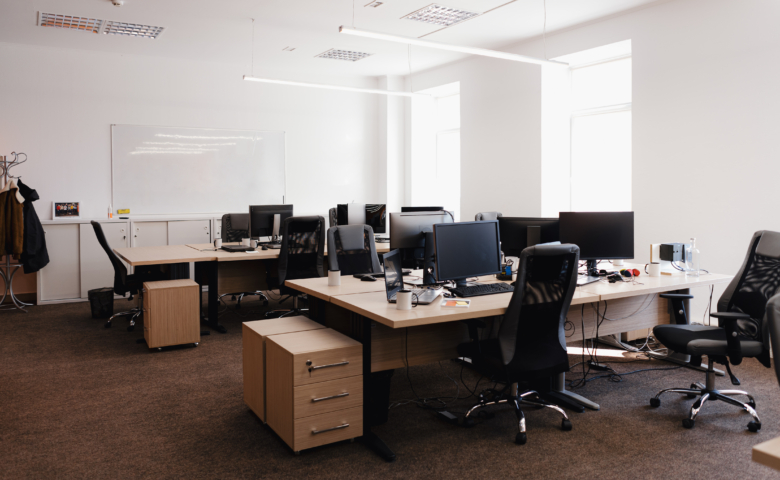
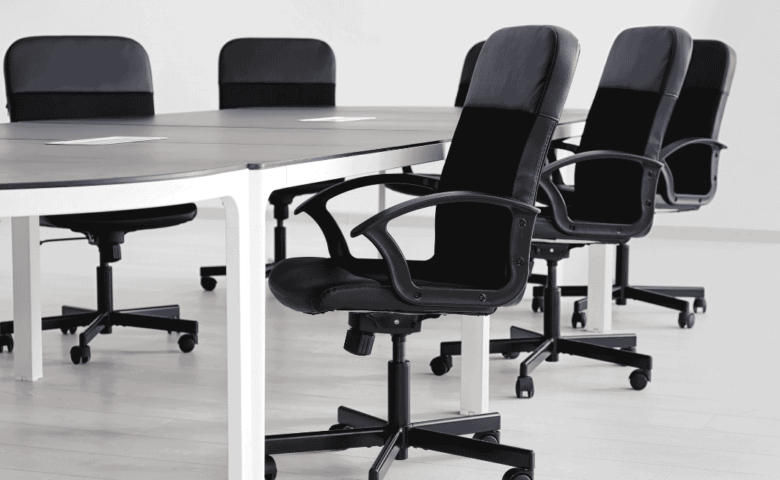
Our main areas of focus were the main offices, meeting room, boardroom and breakout space. We created all these areas with a modern and professional finish in mind to reflect the company's business and values. We wanted each area of their new offices to be highly functional and selected a range of furniture with comfort, practicality and ease of use in mind. The main office areas were furnished with bench desking featuring cable management and monitor arms for increased desk space and comfortable ergonomic function. The Oscar mesh back chairs provide ultimate comfort with a self-tensioning synchro-mechanism which keeps users supported through each movement they make in the chair. The mesh also keeps the user's back cool and provides sound ergonomic function. Next to desk tower storage pedestals provided a practical way to keep personal possessions, files and other required materials nearby. They also add to the overall professional and modern feel of the office with their sleek finish and smooth operation. We installed a large box base veneer conference table in the boardroom with integral cable management. We completed the look of this room with faux leather conference chairs for a luxurious feel. Throughout the offices, we also placed height adjustable and poseur benches to allow employees the option of working whilst standing. This has been proven to increase productivity and provide a variety of mental and physical health benefits. Poseur tables and stools were also provided in the breakout area, providing the option of a standing or seated lunch/social area.

How to Make the Most of Your Small Office Space

A small office can start off feeling fine, then a couple of new starters arrive, storage spreads out, meetings get squeezed in wherever there’s a spare corner, and suddenly the whole place feels a bit tight. As the space changes make sure you have enough air volume for numbers in the office. That tends to show up in little ways, like people bumping chairs as they pass, noise travelling further than you would like, and desks becoming the default place for everything from filing to catch-ups. Still, making the most from small office space usually comes down to two things: how the room is used day to day, and whether the layout and furniture actually support that. With a bit of planning, some flexible choices, and a few practical swaps, you can often make the space feel calmer and work better, without jumping straight to relocating.

Start With a Plan and Measure Carefully

Before moving anything, it helps to take stock. In smaller rooms, even small measurements affect how the office feels, so it’s worth getting the basics down first. A quick audit might include:
  • Measuring wall lengths, door swing space, and window positions
  • Noting fixed items like radiators, sockets, columns, and any awkward corners
  • Checking walkways, so people can move without having to slide chairs out of the way
A rough floor plan helps too. It doesn’t need to be technical, just clear enough to show where desks, storage, and shared zones could sit. This is also the point where it helps to think about priorities. Does the team need to work closely together, or do they need quiet for focused tasks? Are visitors coming in? Are calls happening all day? Is the office used for quick huddles? If you involve the team in that thinking, you usually get fewer complaints later, and the layout ends up matching real working habits rather than assumptions. Can hot desking reduce the number of spaces required.

Choose Multi-Functional Furniture

In a small office, furniture that only does one job can take up space you do not really have. Multi-functional pieces tend to make a difference because they combine tasks without adding bulk. Some examples that work well:
  • Desks with built-in drawers, so everyday items don’t spill into shared areas
  • Shared tables that work as both “extra desk space” and a quick meeting spot
  • Fold-away or collapsible pieces that can be stored when they’re not needed
This type of thinking also supports space-saving office furniture choices because you’re buying for flexibility, not just filling a gap.

Use Vertical Space and Storage Solutions

Office storage is usually one of the first things that makes a small office feel crowded. People put boxes “just there for now”, then filing grows, then supplies pile up, and the floor space disappears. Using vertical space helps lift a lot of that pressure:
  • Wall-mounted shelving for supplies and shared items
  • Cupboards that go up rather than out
  • Storage walls are made up of modules, so you can vary what’s open, what’s closed, and what is used for high-volume storage
For personal storage, mobile pedestals can also work well, especially if desks are kept compact. Bite pedestals are a useful option for agile setups, because they can move with the person rather than becoming another fixed block in the room. The main idea is simple: keep frequently used items within easy reach, push occasional-use items higher up, and try not to let floor space become long-term storage.

Keep Layout Flexible for Different Uses

Small offices rarely do just one thing. You might need heads-down focus in the morning, a team catch-up at lunch, and a quick planning session in the afternoon. A layout that only works “one way” tends to feel restrictive quite quickly.

Experiment with desk layout ideas

These desk grouping patterns are especially useful for smaller rooms:
  • Paired Islands: two desks face-to-face, which can support collaboration while staying space-aware, often handy in narrower rooms
  • Blocked Seating: groups of four desks, which suits small teams working together without needing a big open-plan floor
  • The Bullpen: desks arranged in an inner-facing square, rectangle, or circle so the whole team can collaborate more naturally
These options are often the difference between a small office feeling “packed” versus “organised”, even when the desk count stays the same.

Think about meetings without sacrificing desk space

If meetings keep happening around someone’s desk, it can help to create a simple shared meeting point:
  • A wall-mounted presentation monitor, or a large whiteboard, placed where everyone can see without crowding one area.
  • Collapsible meeting tables, so you can create a meeting space when needed, then store them away. 
If you need quick privacy or a quieter discussion space, the older post also suggested flexible, moveable options:
  • A mobile screen that can be repositioned and stored.
  • A modular acoustic wall solution that can be restyled or packed away when the meeting is done.
And sometimes, it’s not even about furniture. If the office genuinely can’t handle meetings comfortably, it can help to change the routine:
  • Use a local coffee shop for one-to-ones
  • Try walking meetings in a nearby park
  • If too many people are in on the same days, a rotating remote working schedule can free up space without reducing output

Opt for Compact Seating and Desks

Small offices punish oversized furniture. A desk that is slightly too deep, or a chair that does not tuck in properly, can turn a workable layout into a daily irritation. Slimmer desks often make sense here, particularly where walkways get tight. Modular and mobile desks also fit this section well because they support layout changes without creating dead space. Chairs matter too, especially when people are seated for long periods. This is where supportive operator chairs can help, because they’re built for everyday use but don’t have to dominate the room. The basic aim is to keep furniture proportions sensible, so movement stays easy, and the office feels usable even when everyone is in.

Maximise Light and Openness in the Space

Light changes how a small office feels, sometimes more than any layout tweak. Natural light tends to make rooms feel more open, so it helps to keep windows clear rather than stacking items nearby. A few practical things that often help:
  • Avoid tall storage directly in front of windows
  • Use glass screens if you need separation but want to keep brightness travelling through the space
  • Keep wall colours and larger surfaces light if the room feels boxed in
  • Tidy cables and surfaces, because visual clutter makes the space feel smaller than it is
This is usually when your small office design starts to feel “finished”, because it’s less about fitting things in and more about making the room feel calmer to work in.

If you want help mapping this to your own space, or you’re weighing up furniture choices, you can contact us directly and discuss with our team the best solution for your office.

[yikes-mailchimp form="1" title="1" description="1" submit="Sign Up"]

Ergochair | Bespoke, Made to Measure Chairs

ErgoChair is a UK based company, set up in 2004 to fill a gap in the ergonomic office chair market

  Until Ergochair, there were no ergonomic chairs on the market that could be specified to suit every individual. Even some of the best ergonomic chairs on the market could not offer complete support and comfort as they were not able to be tailored to custom requirements. For example, smaller framed people would not experience the complete benefit of a generic sized ergonomic chair as the varying supports would not correspond to the correct areas on the user's body. However, Ergochair's range provides more than just a good fit for the user. A vast range of advanced adaptations mean that they are able to create chairs suitable for a range of issues and conditions, including:
  • Amputeeism
  • Cerebral Palsy
  • Coccyx Pain
  • Core Stability Issues
  • Herniated or Prolapsed Spinal Discs
  • Hip Replacement
  • Fused or Painful Knee Joints
  • Differential Leg Lengths
  • Lumbar Pain
  • Multiple Sclerosis
  • Neck and Shoulder Pain
  • Pelvic Pain
  • Scoliosis
  • Thoracic Back Pain
  • Wheelchair Use/Restricted Mobility
  Using a Unique Specification System called Easispec, our specially trained advisors will take a few simple measurements in order to create your bespoke chair "prescription". They will also discuss any suitable adaptations that will ensure your chair caters to your exact requirements. Adaptations include:
  • A Range of Armrests - from simple support to permanent contact rests for severe upper limb issues
  • Neck and Head Rests, Rolls and Supports
  • Foot Rings and Plates
  • Locks - Keep the Chair From Moving or Swiveling
  • Range of Inflatable and Reactive Support Cells Across the Backrest and Seat
  • Sculpted and Memory Foam Backrests
  • Coccyx Cut-Outs and Zones
  • Wave and Split Seats - for issues with lower limbs such as amputation or prothesis
  • Memory Foam Seats
 

If you would like to know more about Ergochair, or to book an assessment, please call 01293 510553 or email sales@waveoffice.co.uk

Explore the Ergochair products

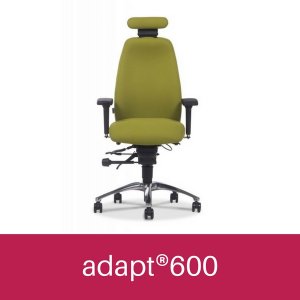
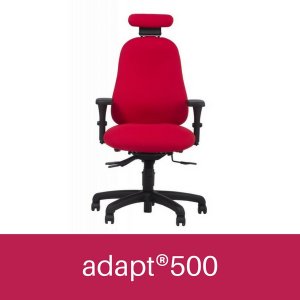
  Adapt 600 ErgochairAdapt 500 Ergochair   [yikes-mailchimp form="1" title="1" description="1" submit="Sign Up"]
office furniture

ENHANCE YOUR SIT/STAND EXPERIENCE

Making the choice to move to a sit/stand way of working can be quite an adjustment, but with the right equipment and accessories, it should be a more comfortable transition

  Despite sit/stand desks being proven to be beneficial to health, well-being and productivity, if you're used to sitting at a desk for many hours, changing to sit/stand can be a challenge. The key is to build yourself up slowly, finding a rhythm of sitting and standing that works for you and gradually building your standing time up. As with any lifestyle change, jumping in head first and not pacing yourself can quickly cause you to give up and revert to what is familiar and comfortable. Alongside your increasing sit/stand schedule, there are several other products and accessories that can help you to make a smooth and comfortable adjustment. Standing Mat: These types of mats can help you to better control your posture, which in turn can help relieve aches and pains in the legs, feet, hips and back. They also make it easier to get used to spending time on your feet by providing a soft but supportive base. If you prefer to work in this position with your shoes off, they also provide a clean area for you to stand. Monitor Riser/Screen Mount: Raising your computer screen up to eye level is a crucial part of reaping the benefits of a sit/stand desk. If your monitor is too low, you will need to hunch or stoop to get a proper view, or you could even end up leaning. Postures of this type can cause painful problems with the neck, shoulders and upper back. Most risers also provide support to your wrists which can help to prevent RSI when typing. An added bonus of mounting or raising your screen is the extra desk space you gain for accessories, notes and files etc. Comfortable Footwear: Be aware that if you have been used to sitting at your desk, your choice of footwear may not have caused you any problems in the past. However, if you are trying to stay on your feet for longer, you may find that your usual shoes can cause pressure, pain and blisters. If possible, try to wear a soft sole shoe such as trainers to help you with your transition. You may even choose to remove your shoes for a period if this is appropriate. Ergonomic Chair: Preventing aches and pains and keeping your body moving doesn't need to stop when you need a break from standing. Ergonomic chairs are designed to help you to keep a proper posture and provide support to the parts of the body that require it the most. Some ergonomic chairs even come with a mechanism that keeps you active whilst you're sitting. This helps to keep you alert and productive and prevents stiffness and aches throughout the body. Foot Rest: Improve your posture further with the use of a footrest when you are sat down. A foot rest can help to prevent swelling in the legs and feet and relieve pressure in the hips by keeping your legs at a suitable angle. The Right Height Adjustable Desk: The above products and tips will all be wasted if you haven't got a sit/stand desk that works for you. There are plenty to choose from on the market and you should invest some proper time in choosing one to suit you and the way you work. From electric or manual height adjustable desks, to those that remind you when its time to stand up and keep track of burned calories for you, there really is a desk for everyone. Request to visit the dealers who you are interested in buying from so you can see the desk before purchasing. Some companies will even let you trial the desks at your own workplace to ensure you have the right fit.   [yikes-mailchimp form="1" title="1" description="1" submit="Sign Up"]

WHICH PLANTS ARE BEST FOR MY OFFICE?

With urbanisation on the rise and a dependence on technology increasing, most of us have less time to relax and renew our mental and physical energy

  Research has shown that incorporating elements of nature into the working environment can reduce blood pressure, heart rates and stress levels and can increase creativity, productivity and general mood. A quick and simple way to incorporate nature into the office is through the use of plants. There's a huge variety of plants with a range of benefits which require very little care. Here we take a look at the top eight plants for office spaces.  

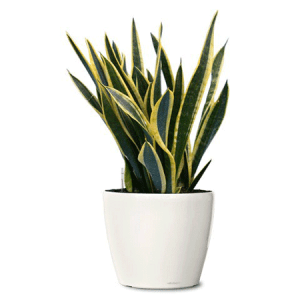
Snake Plant

Indoor-Black-Snake-Plant Can last for weeks without water and tolerates heating and air conditioning very well. Doesn't require a lot of light.  

Peace Lilly

Peace-Lilly-Plant Brings a tropical feel to your work space and tolerates air conditioning very well. Suitable for low-medium light. (Not recommended for use in home offices as this plant is poisonous for cats and dogs).  

Rubber Tree Plant

Potted-Rubber-Tree-Plant Ideal for brightening up corners, this floor plant boasts large leaves & brings colour to the office. Requires watering once a week.  

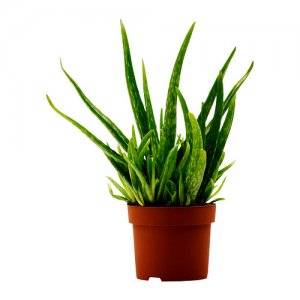
Aloe Vera

Aloe Vera Potted Plant Can go for many weeks without water but requires plenty of sunlight. The plant helps to filter the air and the gel inside has cooling and healing properties.  

Yucca

Yucca Plant Potted Can survive for several weeks without water and can grow fairly large with the right levels of light. This plant can grow into an eye catching feature, even in large spaces.  

Croton

Potted Croton Plant Can grow up to ten feet tall and the leaves of the plant often feature a variable and interesting pattern. Must get enough sunlight or these patterns will begin to fade.  

Fatsia Japonica

Potted-Fatsia-Japonica A low maintenance, air purifying plant with dark green leathery leaves  

Montsera Deliciosa

Potted Monstera Deliciosa Plant This plant has huge, eye catching leaves and creates a luxury tropical feel in any space.     [yikes-mailchimp form="1" title="1" description="1" submit="Sign Up"]
increase-activity-productivty

INCREASE YOUR ACTIVITY LEVELS IN THE OFFICE

A typical office worker spends more time sat down than the average person aged over 75

Our sedentary working lives are severely impacting our health and wellbeing and yet few of us realise how dangerous it can be.

Many office workers spend 8 hours or more sat at their desks. This is bad enough, but when we consider the amount of time spent sitting while commuting, eating or watching television at home, the problem becomes even greater. This amount of sedentary time can lead to a range of different health problems. According to the NHS Live Well website these issues include, but are not limited to:
  • Obesity & Slow Metabolism
  • Type 2 Diabetes
  • Some Types of Cancer
  • Early Death
Sedentary behavior has also been found to negatively impact on mental health too, worsening symptoms of anxiety and depression.

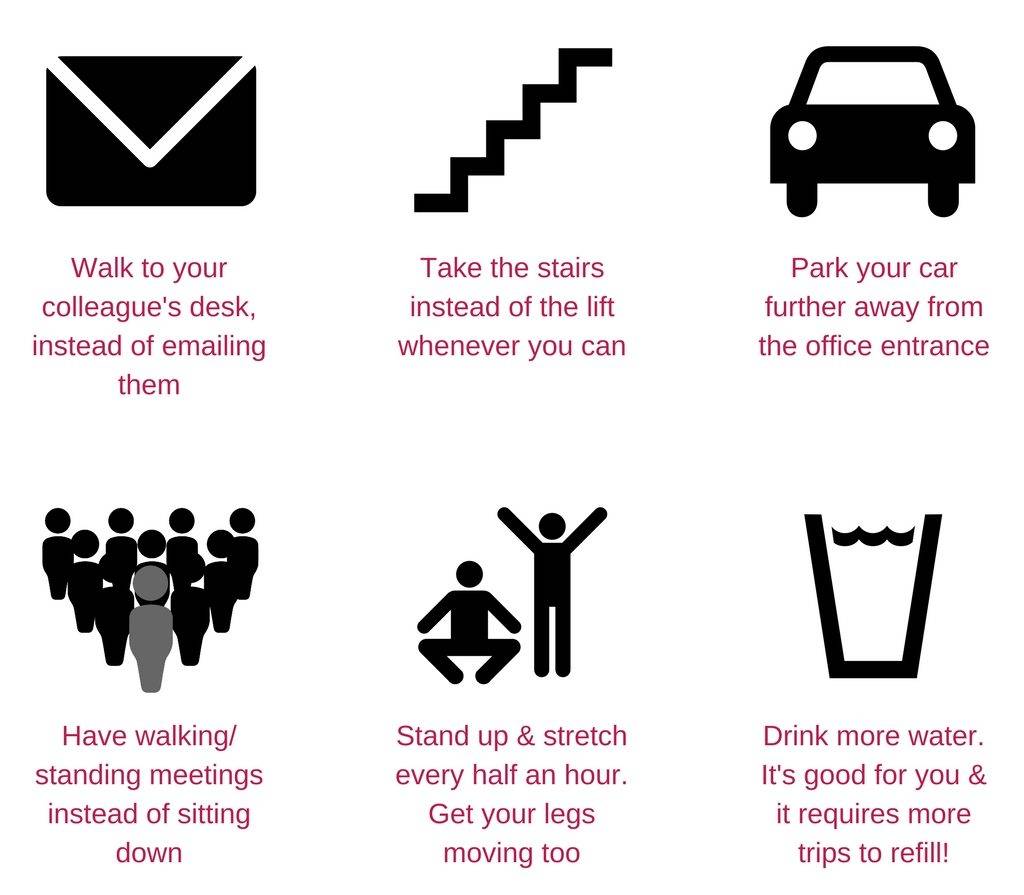
So, how can we become more active?

Firstly, a height adjustable or sit/stand desk can encourage you to spend some time standing and moving whilst working. Sit/stand desks have also been linked to an increase in alertness, creativity and productivity, as well as helping to relieve symptoms of poor circulation and back ache. A chair such as the HÄG Sofi that features an InBalance™ mechanism can help to keep your body moving when you do need to sit down. This can also help to keep you alert, productive and aids the body's blood and oxygen flow. Apart from integrating adaptable furniture in to your workspace, there are other smaller adjustments that you can incorporate in to your working day to up your activity levels. Icons for being active at work       [yikes-mailchimp form="1" title="1" description="1" submit="Sign Up"]
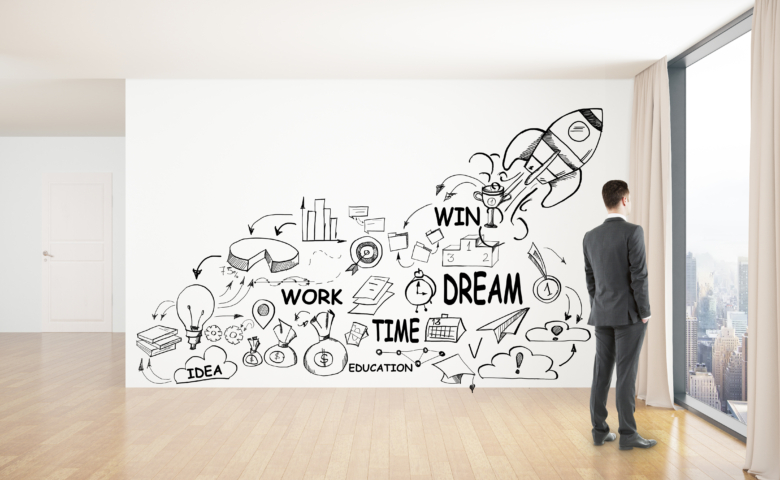
Businessman in clean interior with launching rocket sketch looking out of window with city view. Entrepreneurship concept. 3D Rendering

WALL GRAPHICS & GLASS MANIFESTATIONS

Wall Graphics And Glass Manifestations Are a Great Way to Add Personality to Your Building

  Wall graphics and glass manifestations are a simple yet eye catching way to liven up your business' premises and express your brand's values. Choose whichever design you feel would suit your space best. For example, nature shots, nearby landmarks, inspirational quotes or something that reflects your brand's ethos are all great ways to use wall graphics throughout your office. The process of choosing a wall graphic is very easy for our clients. Simply select your material (choices include, but are not limited to, canvas, Foamex and glass) and specify your dimensions. Size options are endless, our biggest one to date is 7 meters long! You can choose to supply your own artwork or we can source this for you. Installation is quick and simple and results are amazing!         [yikes-mailchimp form="1" title="1" description="1" submit="Sign Up"]
office-chair

How To Care For Your Office Chair

Well maintained office chairs keep employees comfortable and create a good impression on clients and visitors. It is also important to keep your chairs clean in order to keep the spread of germs and allergy causing dust and pollen particles to a minimum. You can choose to keep your chairs maintained regularly in house which will reduce the required frequency for professional cleans. The care for each type of chair differs and you should always check the information that comes with the chair for cleaning instructions. You can also call your supplier who should be able to advise you on the correct type of maintenance and care for your chair.
  • Upholstered chairs should be regularly hoovered on a low setting with a brush or upholstery attachment. Any spills or stains should be dealt with as soon as possible. Remember to follow the chair's care instructions and make sure to test any cleaning products in a small, inconspicuous area before treating the stain.
  • Leather or vinyl chairs should be wiped down with a damp cloth often. Make sure the cloth you use in non-abrasive to avoid scratching the material
  • Mesh office chairs should be lightly hoovered weekly to avoid the accumulation of dust and other debris in the open weave. A wipe down with a damp cloth can also help to remove any sticky residue that can build up and block air flow.
  • Plastic chairs in waiting areas, canteens and cafes can be cared for with warm water and a mild detergent mix to keep them hygienic. Avoid using abrasive brushes or alkaline-based cleaning products.
All chairs should receive regular, professional cleaning and care to improve cleanliness and longevity of the product. The frequency of this service will depend on your in house maintenance routine and the type of environment the chairs are in. Wave Office provide professional cleaning services for all types of chairs. We can clean and care for chairs on site or collect them and carry out the service at our warehouse. For more information, please call 01293 510553     [yikes-mailchimp form="1" title="1" description="1" submit="Sign Up"]

WHAT ARE THE BENEFITS OF A MESH CHAIR?

If you’re looking to buy a new office chair but are confused by all the options available, it can be easy to stick to something you know which is generally a simple, foam based task chair with standard fabric upholstery. But this isn’t always the best option and you could be missing out on a chair that not only looks after your body but could also be the most cost effective solution too.

What are the benefits of mesh chairs?

Ventilation
Traditional foam padded chairs act as insulators trapping heat between your body and the chair. This can cause uncomfortable sweating, even in an air conditioned office. Mesh chairs provide proper ventilation keeping the user cool, comfortable and dry. Ventilation can also help to minimise muscle fatigue.
Easy to Clean
Spillages and general maintenance are easily handled in the case of mesh chairs. Most wipe down quickly and easily with a damp cloth, making expensive shampoos and treatments a thing of the past.
Stylish & Modern
With the popularity of mesh chairs rising, designers have not only looked at improving ergonomic support but also aesthetic appeal. There are now a wide variety of customisable mesh office chairs on the market and many are now designed in line with the current minimalistic trend.
Durability
Mesh chairs retain their shape well and generally see less wear and tear than fabric upholstered office chairs. There is less chance of a mesh chair ripping or areas becoming worn and frayed.
Ergonomic Posture Support
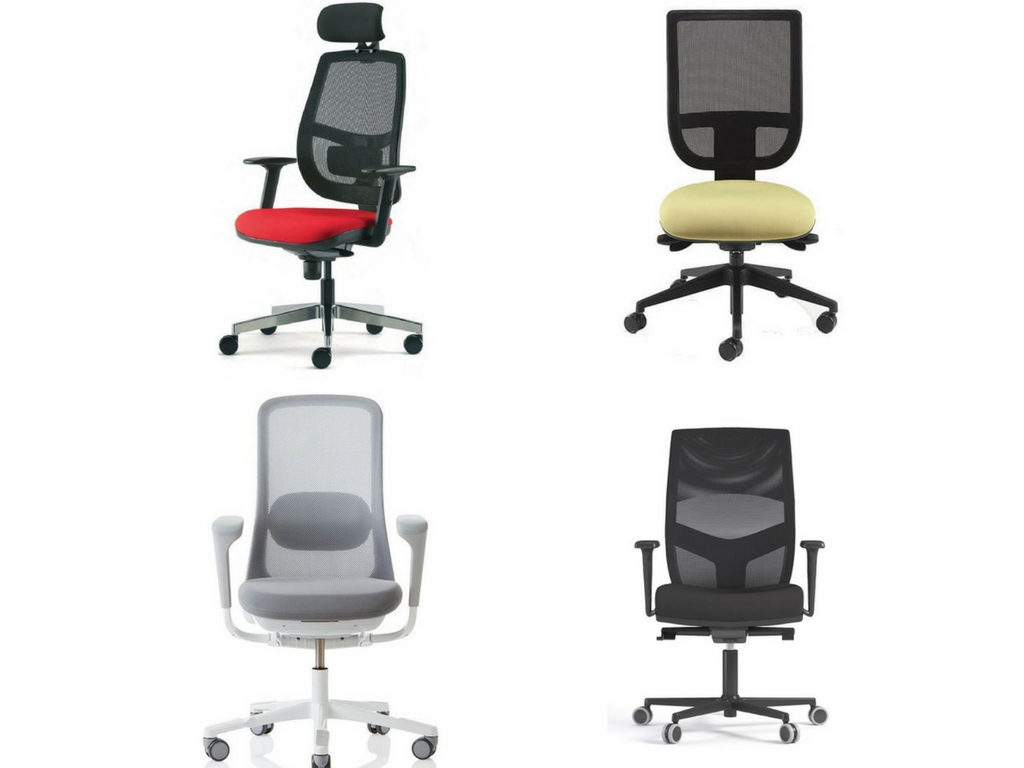
A mesh chair may not look comfortable on first glance, but they can actually be more supportive than padded chairs. They can help to improve posture and reduce aches and pains associated with musculoskeletal disorders. Mesh chairs offer an array of adjustments and provide a firm, supportive structure. Many mesh chairs offer the buyer the option to upholster the seat for increased comfort whilst keeping the mesh back for postural support and ventilation.   Mesh-Back-Chairs-Variety-Sold-by-Wave-Office   [yikes-mailchimp form="1" title="1" description="1" submit="Sign Up"]
Product has been added to your cart