

An office refurbishment covers far more than simply replacing furniture or repainting walls.
In most organisations, it involves reviewing how space is used, updating layouts, improving technology, upgrading finishes, and aligning the workplace with changing operational needs. In larger businesses and education settings, it can also mean navigating compliance, procurement frameworks, and strict timelines.
Without structure, a workplace refurbishment can drift off course. Budgets stretch, decisions stall, and teams lose confidence in the process. An organised office refurbishment checklist brings clarity from the outset. It gives the likes of facilities managers, procurement officers and educational facilities buyers, a framework they can follow step by step, reducing risk and limiting disruption.
Our guide walks you through each stage of office refurbishment planning, from defining objectives through to post-project review. It covers layout, furniture, compliance, technology and delivery, helping you approach your office redesign with a clear plan and measurable outcomes.
Understanding Your Refurbishment Goals
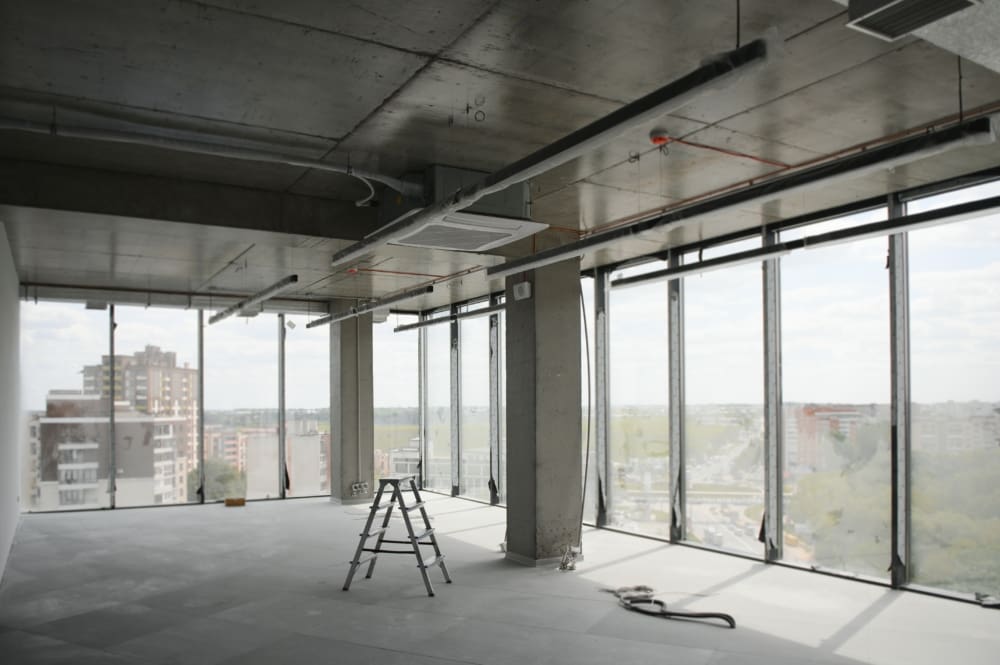
Every successful project starts with purpose. Before engaging suppliers or sketching new layouts, define why the refurbishment is happening and what the organisation expects to gain.
Common drivers include:
- Team growth or departmental restructuring
- Rebranding or leadership change
- A shift towards hybrid working models
- Wellbeing concerns linked to outdated layouts
- Compliance upgrades or building requirements
Clarify what success looks like. For some organisations, this may mean increasing desk capacity without expanding floor space. For others, it may involve creating collaborative zones that support project-based working. Educational environments often focus on durability, safety and adaptability within tight budgets.
Establish a working budget range early, even if it evolves. This helps guide decisions around specification and phasing. Equally, map out a realistic timeline. Consider lease events, academic terms, financial year cycles and supplier lead times.
By documenting objectives, budget parameters and timing expectations, you create a reference point for the entire office refurbishment checklist. Every decision can then be tested against agreed goals.
Assessing Your Current Office Space
A thorough evaluation of your existing environment provides the foundation for informed decisions. Rather than focusing solely on what needs replacing, look closely at how the space currently performs.
Start by reviewing:
- Desk utilisation and occupancy patterns
- Storage levels and document management
- Circulation routes and congestion points
- Meeting room usage
- Staff feedback on comfort and layout
Many often discover that space is underused in some areas yet overcrowded in others. Procurement teams may identify assets that can be retained to protect budgets. In education settings, classroom or administrative spaces may require better zoning rather than wholesale replacement.
Identify what should be kept, refurbished or upgraded. Furniture in good condition may be reused in different zones. Technology infrastructure might need modernising even if finishes remain suitable. Documenting these findings ensures your office fit-out checklist reflects genuine operational needs rather than assumptions.
Planning Your New Office Layout
Layout influences productivity, movement and overall experience. A thoughtful plan balances focused work with collaboration, ensuring that different activities have appropriate space.
During office refurbishment planning, consider how teams interact. Departments that rely on close coordination may benefit from clustered workstations. Functions requiring confidentiality may need quieter areas or acoustic treatment. In educational contexts, flexibility can support varied teaching methods and administrative tasks.
Space planning also involves understanding density. Overcrowding affects comfort and safety, while excessive open space reduces efficiency. Professional layout design uses measured drawings and workflow analysis to optimise flow without compromising accessibility.
Creating Zones for Different Activities
Modern workplaces rarely rely on a single desk-based format. Zoning allows multiple work styles to coexist within one environment.
Typical zones include:
- Focus areas for concentrated individual tasks
- Collaboration zones for informal discussion
- Formal meeting rooms with privacy
- Breakout spaces supporting wellbeing
- Touchdown areas for hybrid staff
Zoning supports productivity by aligning the environment with tasks. In a structured workplace refurbishment, these areas are defined early in the layout process, ensuring power, lighting and furniture specification match intended use.
Improving Flow and Accessibility
Movement through the office should feel intuitive. Clear walkways, logical department positioning and appropriate signage all contribute to smoother circulation.
Accessibility considerations are equally important. Door widths, desk heights and turning circles must align with inclusive design standards. Compliance with equality legislation and building regulations should be integrated from the outset rather than retrofitted later.
By prioritising flow and inclusivity, your office redesign becomes more than a visual upgrade. It supports safety, comfort and long-term adaptability.
Working With an Office Design and Fit Team

Managing a workplace refurbishment internally can place considerable pressure on facilities and procurement teams. Coordinating contractors, tracking budgets and resolving design queries alongside day-to-day responsibilities increases risk.
An experienced design and fit partner provides structured support across:
- Concept design and space planning
- Detailed specifications
- Supplier coordination
- Project management
- Installation and commissioning
Professional oversight reduces delays and cost overruns. It also streamlines communication between stakeholders, contractors and internal decision-makers. For larger organisations, documented processes and clear reporting align with procurement requirements.
Partnering with a specialist team turns an office refurbishment checklist into an actionable project plan, supported by technical knowledge and practical delivery experience.
Selecting Furniture for the Refurbished Space
Furniture plays a central role in performance and comfort. Selection should follow layout planning rather than precede it, ensuring products match both space and usage.
Durability, ergonomics and warranty support are particularly important in high-traffic corporate or educational settings. Consider future flexibility, as organisational needs rarely remain static.
Desks and Workstations
The choice of office desk configuration influences density and adaptability. Fixed desks may suit stable teams with assigned seating. Sit-stand workstations support movement and can contribute to improved posture over time.
Shared bench systems encourage collaboration but require careful cable management. Individual workstations offer privacy yet demand more floor space. During office refurbishment planning, assess which model aligns with work patterns and the available footprint.
Explore suitable options through Wave Office’s range of office desk solutions, selecting formats that complement your new layout while supporting practical daily use.
Chairs and Seating
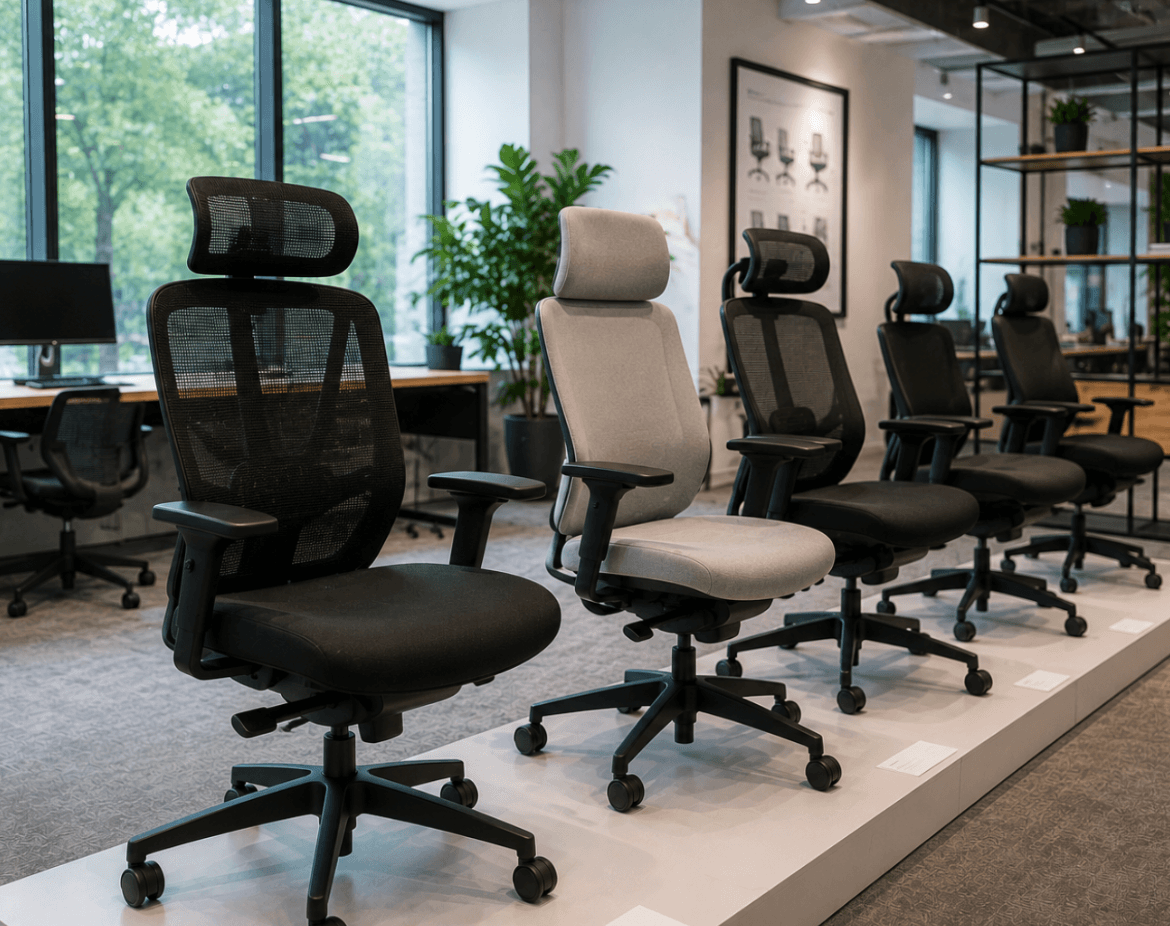
Seating directly affects well-being and productivity. Adjustable lumbar support, seat depth control and armrest flexibility allow users to tailor chairs to their needs.
High-quality office chairs reduce discomfort and absenteeism linked to musculoskeletal strain. In educational settings, durability and ease of maintenance also influence specification decisions.
Wave Office provides a comprehensive range of office chairs designed to balance ergonomics with long-term reliability. Integrating suitable seating into your office fit-out checklist protects both staff comfort and compliance obligations.
Storage and Ancillary Furniture
Storage planning often receives less attention than desks or seating, yet it shapes efficiency. Poorly planned storage leads to cluttered walkways and underused zones.
Assess document retention policies before specifying cabinets. Lockable storage may be necessary for confidential materials. Shared storage walls can free desk space and support open-plan layouts.
Ancillary items such as meeting tables, reception counters and breakout seating should align with branding and usage requirements. Coordinated specification maintains visual consistency across the refurbished space.
Planning Lighting and Electrical Work
Lighting and electrical infrastructure should be addressed early in the refurbishment programme rather than treated as finishing touches. Both influence comfort, productivity and long-term adaptability.
Start by reviewing how natural light enters the space. Desk positioning should maximise daylight without causing screen glare. Artificial lighting can then be layered to suit different zones. Task lighting supports focused workstations, while balanced ambient lighting maintains consistent illumination across open-plan areas. In meeting rooms, controllable lighting levels may improve screen visibility and presentation quality.
Energy efficiency also warrants attention. LED fittings with occupancy sensors can reduce operational costs while maintaining consistent output. Emergency lighting must be positioned in line with fire safety guidance and tested before reoccupation.
Electrical planning extends beyond standard sockets. Floor boxes, wall-mounted outlets and integrated desk power modules should reflect workstation layouts and collaboration zones. Structured cabling and clearly routed data connections prevent trip hazards and simplify maintenance.
Future capacity remains an important consideration. Allowing for additional power and data provision within your office refurbishment checklist supports expansion, new equipment and evolving hybrid working models without disruptive retrofitting.
Choosing Finishes and Interior Details
Finishes shape how a refurbished office feels on a daily basis. While layout and furniture determine function, materials and detailing influence comfort, durability and long-term maintenance.
Flooring should reflect usage patterns across different zones. Carpet tiles often suit open-plan work areas, offering acoustic support and straightforward replacement in high-wear sections. Hard flooring may be appropriate in receptions, breakout areas or circulation routes where cleaning frequency is higher. In education environments, slip resistance and resilience under heavy footfall require close consideration.
Wall treatments contribute to both identity and practicality. Durable paint systems or protective wall coverings help reduce maintenance costs over time. Feature walls can reinforce brand colours without overwhelming the wider environment. Writable surfaces or acoustic panels may also support collaboration and noise control within specific zones.
Ceilings, partitions and glazing influence light distribution and privacy levels. Glass partitions can maintain openness while containing sound. Solid partitions may be necessary for confidential spaces or safeguarding requirements.
Selecting finishes with lifecycle performance in mind strengthens your office refurbishment checklist, ensuring aesthetic choices remain practical and aligned with operational demands.
Planning Technology and Equipment

Technology underpins modern working practices. Integrating infrastructure during refurbishment avoids disruptive retrofitting.
Assess existing systems and determine whether upgrades are required to support growth or hybrid models. You may need to align technology decisions with broader organisational standards.
IT Infrastructure and Connectivity
Reliable connectivity is essential. Structured cabling, server positioning and Wi-Fi coverage should be reviewed alongside layout plans.
Security considerations, including controlled access points and data protection measures, must form part of early planning. Collaboration between IT teams and refurbishment partners reduces compatibility issues.
A structured approach ensures infrastructure supports both current operations and future expansion.
Meeting and Collaboration Technology
Hybrid meetings demand high-quality audio-visual equipment. Screens, cameras and microphones should match room size and usage frequency.
Touchscreen booking panels and integrated conferencing systems streamline scheduling and reduce administrative workload. In education environments, interactive display solutions may enhance teaching delivery.
Incorporating technology into your office redesign from the outset creates cohesive, future-ready spaces rather than fragmented upgrades.
Health, Safety and Compliance
Health, safety and regulatory compliance must be embedded within every stage of a workplace refurbishment. Rather than treating compliance as a final check, it should inform layout planning, furniture specification and contractor coordination from the beginning.
Display Screen Equipment assessments remain a core requirement. Workstations should allow appropriate monitor height, screen distance and seating adjustment to reduce strain. Adequate spacing between desks supports safe movement and lowers the risk of overcrowding. For shared environments, clear guidance on workstation setup encourages consistent use.
Fire safety planning extends beyond marked exits. Review travel distances, alarm points, extinguishers and emergency lighting in line with current regulations. Refurbishment works may alter escape routes, so updated signage and revised fire risk assessments are often necessary before reoccupation.
Accessibility standards also require careful attention. Consider door clearances, ramp gradients, accessible workstations and inclusive washroom facilities. In educational settings, safeguarding and specific sector guidance may influence spatial design and material selection.
Building control approvals, electrical certifications, and documented inspections should be retained for audit purposes. Incorporating these elements into your office refurbishment checklist provides a structured compliance record and reduces exposure to future risk.
Managing the Refurbishment Project
Strong project management keeps the refurbishment controlled from first works to final sign-off. Once specifications are agreed, the focus moves to coordination, sequencing and oversight. Define clear roles at the outset, including who authorises changes, who monitors costs and who approves completed stages. This structure supports transparency and prevents delays linked to unclear decision-making.
Develop a detailed programme outlining each phase, from strip-out through installation and commissioning. Linking milestones to budget tracking provides visibility for senior stakeholders and procurement teams. Regular progress updates, supported by written summaries, maintain accountability across contractors and internal representatives.
Risk planning should sit alongside scheduling. Identify potential challenges such as supply delays, restricted site access or compliance approvals. Recording mitigation actions early helps maintain momentum throughout the project lifecycle.
Minimising Disruption to Staff
Where works take place in occupied buildings, disruption management becomes a priority. Phased scheduling may allow teams to remain operational while specific zones are upgraded. Temporary relocation plans or hybrid arrangements can reduce pressure on core functions.
Clear communication supports continuity. Share timelines, site access changes and safety guidance in advance. Coordinated planning protects productivity while enabling refurbishment works to proceed safely and efficiently.
Preparing for Staff to Move Back In
The period immediately before reoccupation requires structured coordination. While installation may be complete, practical readiness depends on detailed checks and clear communication.
Begin with a formal walkthrough involving facilities, health and safety representatives and project leads. Confirm that all agreed specifications have been delivered, including finishes, fixtures and integrated systems. Testing building services such as ventilation, heating controls and access systems helps prevent operational issues during the first days of return.
Furniture placement should reflect approved floor plans, with correct spacing between workstations and appropriate positioning of collaborative areas. Labelling storage zones, lockers, or shared resources can reduce early confusion. In larger organisations, allocating desks or booking zones in advance supports a smoother transition.
Technology systems should undergo final validation, including login testing, room booking functionality and AV calibration. Providing concise user guidance documents or short briefing sessions helps teams understand new layouts and equipment without disruption.
Clear internal communication remains essential. Share reopening timelines, updated floor maps and any revised workplace policies. A structured handover process reinforces confidence in the refurbishment outcome and sets the tone for a stable, organised return to the refreshed workspace.
Reviewing the Success of Your Refurbishment
Post-occupancy review allows you to measure whether the refurbishment has delivered against the goals set at the outset. This stage of the office refurbishment checklist often receives less attention, yet it provides valuable insight for future planning and budget allocation.
Begin by comparing outcomes against original objectives. If the aim was to improve space efficiency, review updated utilisation data and occupancy patterns. Where wellbeing formed part of the brief, gather structured staff feedback on comfort, lighting and layout. Procurement teams may also evaluate whether projected cost savings or lifecycle expectations are tracking as anticipated.
Consider operational performance across several areas:
- Desk and meeting room usage
- Maintenance requests and snagging trends
- Energy consumption levels
- Technology reliability
- Staff satisfaction indicators
Many may find that minor adjustments improve performance further, such as repositioning storage or refining zoning. Those buying for education purposes, might assess durability and ease of maintenance after initial term use.
Document lessons learned, including supplier performance and timeline accuracy. This record supports stronger decision-making in future workplace refurbishment projects and creates a clear internal reference point for continuous improvement.
A structured office refurbishment checklist transforms a complex project into a manageable sequence of decisions. By defining objectives, assessing current space, planning layout carefully and integrating furniture, technology and compliance considerations, organisations reduce uncertainty and control costs.
Experienced professional support strengthens each stage, from concept through to installation and review.If you are planning a workplace refurbishment or exploring options for office redesign, Wave Office can support your project from initial consultation through to furniture supply and installation. To discuss your requirements and next steps, contact us and speak with a member of the team.



Leave a comment