
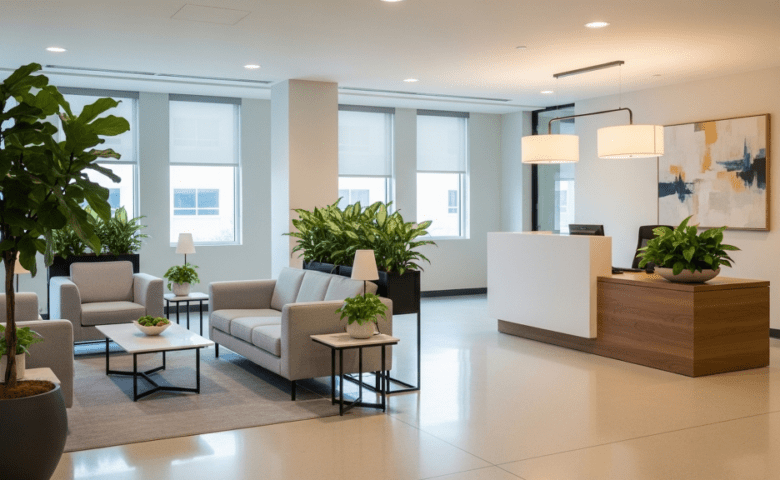
How to Furnish Your Reception Area
The reception area is usually the first space people experience when they walk into an office, and that first moment tends to shape expectations almost immediately. Visitors often form a view on how organised, welcoming or confident a business feels before they even speak to anyone.
For receptionists, PAs and office managers, furnishing a reception area can feel like a balancing act. The space needs to look professional and reflect the brand, yet still cope with constant use and day-to-day practical demands. Comfort, durability and layout all matter, and so does working within the limits of the space and budget available.
There are no strict rules for reception design. Every business has different priorities. Still, focusing on how the area is used in real life usually makes furnishing reception spaces feel far more straightforward and less pressured.
Choose Comfortable and Welcoming Seating
Reception seating plays a quiet but noticeable role in how visitors feel while they wait. If chairs look stylish but feel awkward or uncomfortable, people tend to notice very quickly. Comfort helps visitors relax, especially if they arrive early or appointments run slightly over. It helps to think about how your reception area is typically used. Some spaces see a steady flow of short visits, while others have people waiting for longer periods. In both cases, reception seating should feel supportive and easy to sit in, without looking overly casual. Durability is just as important. Reception seating is used constantly, so fabrics and frames need to handle wear, regular cleaning and frequent movement. Options such as tub chairs, modular seating or individual sofas can all work well, depending on the size and shape of the space. Exploring dedicated reception seating makes it easier to find solutions designed specifically for high-use front-of-house areas. Things worth keeping in mind include:- Upholstery that is easy to clean and holds its shape
- Seat height and depth that feel natural for most people
- Enough space between seats so the area does not feel cramped
Selecting Reception Desks and Counters
The reception desk is often the focal point of the space. It is where visitors pause, ask questions and form an impression of how the business operates. From a practical point of view, it also needs to support the person working there throughout the day. A good desk provides enough surface space for screens, paperwork and visitor sign-in, while keeping cables and clutter out of sight. Storage plays a big part too. Practical storage and filing solutions close to the desk help keep the area tidy and calm, even on busy days. Different desk styles suit different receptions. Modular desks allow layouts to be tailored to the available space, without the extra cost of a bespoke solution. High-gloss or illuminated desks often create a strong visual statement, while bespoke desks or refreshed finishes, such as wraps, can help align the desk more closely with brand identity. Purpose-built reception counters make it easier to strike this balance without starting from scratch. Accessibility should also be part of the decision. Including a lowered counter section supports wheelchair users and anyone who finds standing uncomfortable, and it fits naturally into thoughtful office reception design.Using Decoration and Branding to Create Atmosphere
Decoration and branding are where the reception area starts to show personality. The aim is not to overwhelm visitors, but to give them a clear sense of the business as soon as they arrive. Neutral colours often work well as a base, helping the space feel calm and easy to maintain. Brand colours can then appear in smaller details, such as upholstery, feature walls or signage, so the reception feels connected to the wider workplace. Signage should feel clear and welcoming rather than formal. A simple logo, company name or directional sign is usually enough. Finishes like wood, metal or textured panels can add interest without making the space feel busy. Display boards can also work well in reception areas, allowing businesses to share key information, achievements or values in a way that feels natural rather than forced.Designing Layout for Smooth Traffic Flow
The layout has a big influence on how comfortable and safe a reception feels. A well-planned layout helps visitors understand where to go and reduces congestion during busy periods. Key points to consider:- Make entry points clear as soon as visitors arrive
- Allow enough space for wheelchair users and those with mobility aids
- Keep walkways free from clutter so the area feels calm and safe
- Position reception seating so it does not block access to the desk
- Place signage where it can be seen without interrupting foot traffic